Botox, a drug made from a neurotoxin produced by the bacterium Clostridium botulinum, is best known for its ability to reduce the appearance of facial wrinkles. However, the uses and implications of Botox extend far beyond cosmetic enhancements, delving into significant medical treatments for various conditions. Understanding the science behind Botox, how it works, and its limitations is crucial for anyone considering this treatment.
How Botox Works
At its core, Botox functions as a neuromodulator, temporarily paralyzing muscles by blocking the transmission of chemical signals that are supposed to instruct muscles to contract. When Botox is injected into a muscle, it binds to the nerve endings that would normally signal the muscle to contract.
The active ingredient in Botox, botulinum toxin type A, specifically targets the release of acetylcholine, a neurotransmitter responsible for triggering muscle contractions. Without acetylcholine, muscles remain relaxed, diminishing the appearance of wrinkles caused by facial expressions.
Cosmetic Applications
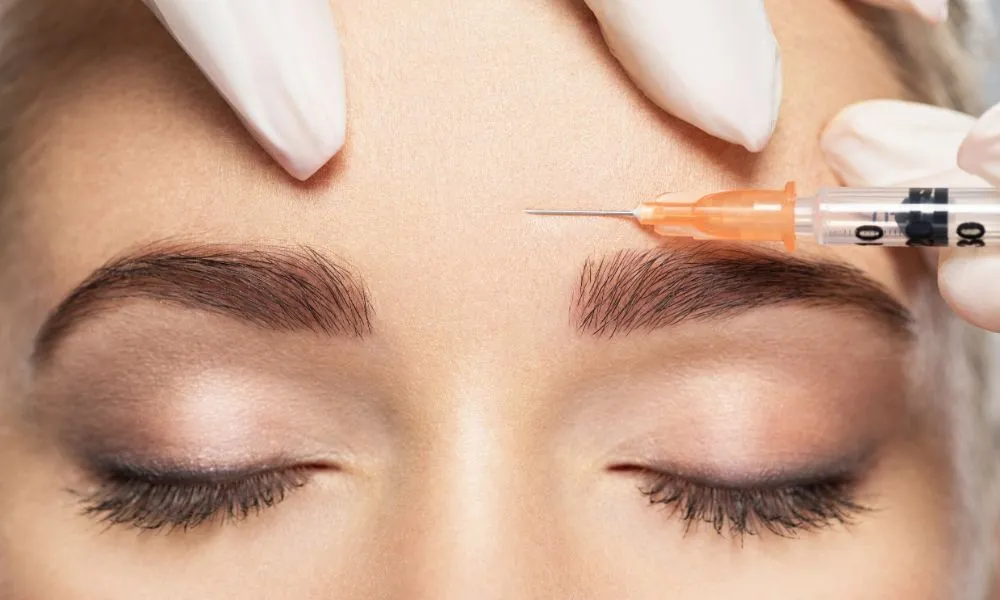
In cosmetic applications, the primary use of Botox is to minimize the appearance of facial lines and wrinkles, particularly crow’s feet around the eyes, frown lines between the eyebrows, and horizontal forehead creases. The procedure is relatively quick and does not require anesthesia. Results typically appear within one week and can last three to four months.
The repeated use of Botox can help maintain the aesthetic effects and in some cases, can lead to longer-lasting results.
Medical Uses
Beyond cosmetics, Botox has been approved for several medical conditions associated with overactive muscles and glands. For instance, it is used to treat chronic migraines by reducing muscle tension and improving blood flow, which can significantly decrease the frequency and severity of headaches.
Other medical applications include treating conditions such as cervical dystonia (a painful condition where the neck muscles contract involuntarily), hyperhidrosis (excessive sweating), bladder disorders, and even certain types of eye muscle problems or uncontrolled blinking (blepharospasm).
Understanding the Limitations
While Botox is widely celebrated for its ability to provide significant relief from both cosmetic and medical issues, it is not a permanent solution. The effects are temporary, necessitating repeat treatments to maintain results.
Additionally, Botox does not work on all types of wrinkles; it is most effective on "dynamic" wrinkles that appear while moving the face, such as when smiling or frowning. "Static" wrinkles, which are visible when the face is at rest, do not respond as well to Botox treatments.
Potential Side Effects
Like any medical treatment, Botox comes with potential side effects. Most are mild and temporary, including bruising, pain at the injection site, or drooping eyelids. More serious side effects, although rare, can occur, including problems swallowing, speaking, or breathing if Botox spreads from the area of injection. These effects can be caused by the botulinum toxin affecting muscles far away from the site of injection.
Choosing a Provider
The importance of choosing the right Botox clinic cannot be overstressed. A skilled practitioner not only reduces the risk of adverse effects but also ensures that the treatment is appropriately tailored to the patient’s facial structure and medical history, which maximizes the effectiveness of the outcome.
Physicians typically recommend that potential patients seek practitioners who specialize in Botox treatments, as they are more familiar with the various techniques and required dosages for different areas of the face and body.
Ethical and Psychological Considerations
The rising popularity of Botox has sparked discussions about the ethical implications and psychological impacts of its widespread use. Patients need to have realistic expectations and to consider the motivations behind seeking treatment. Health professionals should discuss potential psychological effects, including issues related to body image and self-esteem.
Wrapping Up
The science behind Botox is a fascinating blend of biology and technology, offering a range of benefits that go beyond mere cosmetic enhancements. As with any medical treatment, it carries potential risks and limitations. Anyone considering Botox should be well-informed about its effects, choose their provider carefully, and consider both the medical and psychological implications of such treatments. With the right approach, Botox can be a safe and effective solution for those looking to manage certain aesthetic or medical conditions.


 Venues

Comments