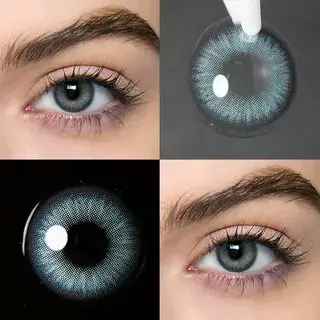
Everyday comfort in contact lens wear depends on getting multiple things right simultaneously. The lens material, design, fit, and care routine all contribute to the overall experience. A lens that provides excellent comfort for one person may not suit another at all. Understanding what drives everyday comfort empowers patients to make smarter choices. This knowledge also helps patients communicate more effectively with their eye care professional.
Why Comfort Is the Foundation of Successful Lens Wear
Clinical studies consistently identify discomfort as the primary driver of contact lens dropout. Millions of people have abandoned contact lens wear after experiencing persistent discomfort. In many cases, this discomfort resulted from a poor initial lens choice. A better-matched lens could have supported comfortable, successful wear. Prioritizing comfort in the selection process prevents this unnecessary outcome.
Comfortable lens wear is not simply about physical sensation. It also encompasses visual stability and clarity throughout the day. A lens that becomes uncomfortable forces the wearer to remove it prematurely. This interrupts both the visual correction and any therapeutic function the lens provides. Choosing a lens that remains comfortable from morning to evening is therefore the central clinical goal.
The Material Factor in Everyday Comfort
Lens material is the most fundamental determinant of wearing comfort. The material's oxygen permeability determines how well the cornea breathes during wear. A well-oxygenated cornea remains healthy, clear, and comfortable throughout the wearing day. Hypoxia-related corneal changes cause redness, discomfort, and visual disturbance. Choosing a high-oxygen-transmissibility material is a basic requirement for comfortable everyday wear.
Silicone hydrogel materials offer the best oxygen performance currently available. They transmit several times more oxygen than conventional hydrogel lenses. The cornea remains in a healthy physiological state even during long wearing periods. Most premium everyday contact lenses use silicone hydrogel as their primary material. The additional cost over conventional lenses is justified by the superior comfort and safety profile.
Balancing Modulus and Material Stiffness
Material stiffness, measured as modulus, affects mechanical comfort during wear. A stiffer lens is easier to handle during insertion and removal. However, a stiffer lens can create mechanical interaction with the eyelid. This interaction causes the sensation of lens awareness that many wearers describe. A softer, lower-modulus lens flexes more naturally and reduces this awareness.
Modern lens manufacturers have worked to reduce silicone hydrogel modulus while maintaining oxygen performance. The latest silicone hydrogel formulations are considerably softer than early versions. These low-modulus materials combine excellent oxygen transmissibility with improved mechanical comfort. They represent the current state of the art in contact lens material science. Patients who previously found silicone hydrogel lenses uncomfortable should try the newer generations.
The Role of Replacement Schedule in Daily Comfort
The replacement schedule of a contact lens directly influences everyday comfort. Daily disposable lenses are replaced every single day with a fresh, sterile lens. This daily replacement ensures the lens surface is always at its cleanest and most comfortable. Protein and lipid deposits cannot accumulate because the lens is discarded before they build. This perpetual freshness is the defining comfort advantage of daily disposable wear.
Reusable lenses used for longer periods accumulate surface deposits over their lifespan. These deposits cause progressive comfort decline as the replacement period progresses. Many wearers notice that their monthly lenses feel less comfortable in the final week. Proper cleaning reduces but cannot entirely eliminate this accumulation. Daily disposable lenses eliminate this comfort decline pattern entirely.
When Monthly Lenses Are Still the Right Choice
Monthly replacement lenses remain an appropriate choice for many wearers. Diligent cleaners who follow their care routine consistently manage monthly lenses comfortably. The lower per-lens cost makes monthly lenses economically appealing for daily wearers. Advanced monthly lens designs with superior surface technologies also minimize deposit-related comfort decline. Choosing a premium monthly lens with strong wettability technology extends comfortable wear time.
The decision between daily disposable and monthly lenses should involve your optometrist. Clinical history, lifestyle, tear film characteristics, and wearing patterns all factor in. A patient with an excellent compliance history may do very well with monthly lenses. One with a history of deposit-related discomfort or infection may be better served by dailies. Individual assessment is always superior to generalized recommendations.
Fitting Precision as a Comfort Determinant
A lens that does not fit the eye precisely will never be truly comfortable. Lens centration is the critical first requirement of a comfortable fit. A properly fitted lens centers over the pupil and cornea without displacement. It moves appropriately with each blink and recenters naturally afterward. This gentle movement maintains tear film circulation beneath the lens.
Excessive lens movement causes fluctuating vision and physical discomfort. Insufficient movement restricts tear circulation and causes corneal hypoxia. The ideal movement is a delicate balance specific to each patient's anatomy. An experienced optometrist identifies the right lens parameters to achieve this balance. Fitting precision is the clinical foundation upon which all comfort technologies build.
Trial Lenses and Real-World Testing
Trial lenses are an essential tool in finding the most comfortable everyday option. Office-based evaluation provides important initial information about fit and vision. However, real-world testing during actual daily activities reveals more. Wearing a trial lens through a full workday, including screen time and outdoor exposure, is highly informative. This real-world test should be part of every contact lens fitting process.
Feedback after the trial period is as important as the trial itself. Report any periods of discomfort, vision fluctuation, or lens awareness honestly. Describe when during the day discomfort begins if it does occur. Note whether certain activities such as reading or driving cause any issues. This detailed feedback enables the optometrist to make precise adjustments to the lens selection.
Environmental Factors Affecting Everyday Comfort
The environment in which you spend your day significantly affects lens comfort. Air-conditioned offices reduce ambient humidity, which accelerates lens dehydration. Prolonged screen use reduces blink frequency, allowing the lens surface to dry between blinks. Outdoor environments with dust, pollen, or smoke create additional surface contamination challenges. Selecting a lens suited to your specific environmental conditions improves everyday comfort.
Patients who work primarily in air-conditioned environments benefit from high-wettability lenses. Lenses with moisture-retaining technologies perform better in low-humidity conditions. Deliberate blinking exercises during screen-heavy work help redistribute the tear film regularly. Preservative-free lubricating drops formulated for contact lens wearers provide midday comfort support. These simple strategies effectively extend comfortable wearing time in challenging environments.
Safe Purchasing Practices for Comfortable Lenses
Understanding what to look for when sourcing contact lenses is important. When you buy contact lenses, always use a valid, current prescription from a licensed optometrist. Verify that the retailer requires prescription confirmation before processing your order. Ensure the exact brand, power, base curve, and diameter match your prescription precisely. Consistency between what was fitted and what is ordered is fundamental to maintaining comfort.
Never assume that a different brand with the same power will feel the same. Different brands have different base curves, diameters, and surface technologies. These differences can meaningfully change fit and comfort even at identical corrective powers. Brand changes should always be discussed with your optometrist first. A professional fitting assessment with the new brand ensures the change is appropriate and safe.
Building a Comfortable Long-Term Lens Wearing Practice
Sustainable, comfortable everyday lens wear requires consistent habits and professional support. Follow the prescribed replacement schedule without extending lens life beyond its specification. Clean and store reusable lenses exactly as directed using appropriate solutions. Attend annual aftercare appointments to monitor corneal health and update prescriptions. Report any changes in comfort or vision quality between appointments rather than waiting.
The most comfortable contact lens wearers are those who treat their lenses as medical devices, not accessories. They engage with their eye care professional consistently. They follow care instructions diligently. They do not compromise on replacement schedules or hygiene habits. These commitments, combined with a well-chosen lens, produce the most comfortable and rewarding everyday wearing experience possible.
 Venues