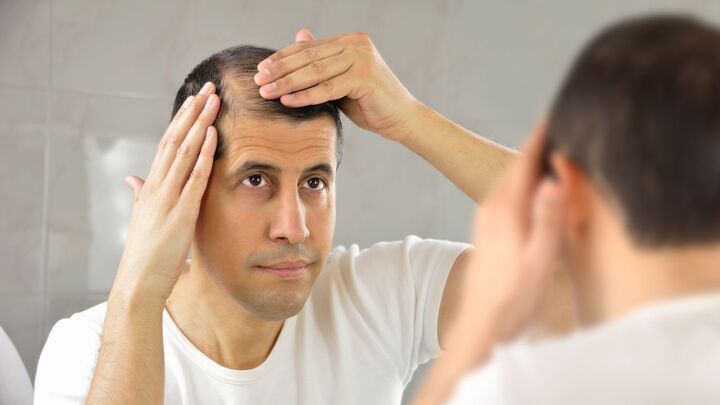
Thinning hair affects people across all ages, genders, and backgrounds in significant numbers. Its emotional impact often exceeds what others might expect from a cosmetic change. Self-confidence, professional image, and intimate relationships can all be affected meaningfully. The instinct to seek help is natural and medically well-founded in most cases. Fortunately, addressing thinning hair effectively no longer requires invasive or surgical procedures.
Understanding Why Hair Thins
Understanding the cause of thinning is the critical first step toward effective treatment. Androgenetic alopecia, the most common form, is driven by genetic sensitivity to DHT. This hormone causes follicles to produce progressively thinner and shorter hair over time. Eventually, affected follicles may cease production entirely if the process continues untreated.
Nutritional deficiencies represent another significant and frequently overlooked cause of thinning. Iron deficiency is particularly common in women and directly impairs the hair growth cycle. Zinc, vitamin D, and biotin deficiencies also affect follicle function and hair quality meaningfully. Identifying and correcting these deficiencies is a simple and highly effective intervention for many people.
Hormonal Causes of Hair Thinning
Hormonal changes are among the most common drivers of significant hair thinning. For women, perimenopause and menopause reduce the estrogen and progesterone that support hair growth. Thyroid disorders, both hypothyroidism and hyperthyroidism, frequently cause diffuse thinning. Polycystic ovary syndrome creates hormonal imbalances that often manifest as significant hair loss.
Stress-related thinning, called telogen effluvium, occurs when significant stressors push follicles into the resting phase. Events like illness, surgery, major stress, or significant weight loss can trigger this response. The resulting shedding typically begins two to three months after the triggering event. Understanding this timing helps patients connect their thinning to its actual cause accurately.
The Importance of Accurate Diagnosis
Accurate diagnosis is essential before any treatment approach is selected and initiated. Different causes of thinning require different and sometimes opposite treatment approaches. Treating androgenetic alopecia with the same protocol as telogen effluvium may be ineffective. A specialist who performs comprehensive evaluation including blood work and scalp examination provides the most accurate diagnosis.
Blood tests for iron, ferritin, thyroid function, hormone levels, and nutritional markers are essential. Scalp examination and dermoscopy reveal follicle miniaturization patterns and scalp health status. This diagnostic thoroughness prevents misguided treatment that wastes time and resources. Accurate diagnosis is the gateway to genuinely effective non-invasive hair restoration.
Non-Invasive Medical Treatments for Thinning Hair
Medical treatments are the most established non-invasive approach to addressing hair thinning. Minoxidil is approved for both male and female pattern hair loss with strong evidence. Applied directly to the scalp, it extends follicle growth phases and improves density. Results from consistent use are typically visible after three to six months of daily application.
Finasteride is the most effective pharmaceutical for male androgenetic alopecia treatment. It specifically blocks DHT production, halting the primary hormonal driver of follicle miniaturization. Studies demonstrate that finasteride stops hair loss progression in the majority of male users. Partial regrowth of previously thinned areas is reported by a significant proportion of patients.
Treatment Options for Women With Thinning Hair
Women have specific treatment options tailored to their hormonal and physiological profile. Spironolactone, an anti-androgen medication, is commonly used for female pattern hair loss. It reduces androgen activity at follicle level, slowing or reversing DHT-related thinning in women. This treatment is typically prescribed alongside minoxidil for comprehensive management.
Oral minoxidil at low doses has gained significant momentum as a treatment for women. Its systemic action provides coverage across all scalp areas simultaneously and consistently. Many women who found topical minoxidil inconvenient achieve better adherence and results with the oral form. Medical supervision ensures appropriate dosing and monitoring for any side effects.
Regenerative Approaches for Natural Regrowth
Regenerative treatments address thinning hair at the level of follicle biology directly. Rather than simply managing symptoms, they work to restore follicle function from within. The results are composed of the patient's own naturally growing hair from revitalized follicles. This biological approach produces natural-looking results with no risk of artificial appearance.
Non-surgical hair replacement through regenerative methods has become an increasingly preferred choice. PRP therapy is the most established regenerative approach with the strongest evidence base. Growth factors derived from the patient's own blood stimulate follicle cells to resume robust activity. The treatment is well-tolerated, requires no recovery time, and produces progressive improvement with each session.
The Effectiveness of PRP for Different Thinning Patterns
PRP therapy shows the strongest results in people with early to moderate thinning. Areas with active but miniaturized follicles respond best to growth factor stimulation. Regions where follicles have been completely dormant for many years may show more limited response. A specialist evaluation determines which areas are likely to respond most favorably to PRP treatment.
Combination of PRP with microneedling enhances treatment penetration and effectiveness significantly. The microchannels created by needling allow PRP growth factors to reach deeper follicle structures. This combination approach produces more robust stimulation and better density improvement. Most specialists who offer PRP now routinely combine it with microneedling for superior results.
Low-Level Laser Therapy for Non-Invasive Stimulation
Low-level laser therapy is a completely non-invasive approach to addressing hair thinning. Specific light wavelengths penetrate the scalp and energize follicle cell metabolism. Enhanced cellular energy production supports more active and sustained hair growth. The treatment has received FDA clearance and has a growing body of clinical evidence supporting its use.
At-home devices have become sufficiently effective to deliver meaningful clinical results. Laser caps, helmets, and combs designed for home use provide convenient daily treatment. Consistent use over several months produces measurable improvements in hair density and quality. The non-invasive, painless, and side-effect-free nature of LLLT makes it an appealing option for many.
Incorporating LLLT Into a Comprehensive Treatment Plan
LLLT works synergistically with both medical and regenerative treatments. It amplifies the effects of minoxidil by enhancing scalp circulation and follicle responsiveness. Growth factors from PRP find a more receptive cellular environment when LLLT is also used. This synergistic relationship makes LLLT a valuable addition to comprehensive thinning hair programs.
Specialists who incorporate LLLT into their treatment protocols consistently report better outcomes. Patients who add LLLT to existing medical treatments see accelerated improvement. The additive benefit of LLLT is most pronounced when used consistently and patiently. Adherence is the single most important factor in determining long-term LLLT outcomes.
Nutritional and Lifestyle Interventions
Nutritional interventions are a powerful and often underutilized component of non-invasive thinning hair treatment. Iron supplementation in women with low ferritin levels frequently produces noticeable hair density improvement. This simple intervention corrects a common deficiency that directly impairs follicle cycling. Ferritin levels should be brought to the upper half of the normal range for optimal hair benefit.
Zinc supplementation addresses another common deficiency linked to hair thinning and shedding. Biotin, while perhaps overhyped in consumer marketing, genuinely supports keratin production when truly deficient. Vitamin D deficiency, extremely common in northern climates, is also associated with hair loss. Comprehensive nutritional testing identifies which specific deficiencies require targeted correction.
Stress Management and Hair Retention
Stress management is a medically legitimate component of non-invasive hair thinning treatment. Chronic stress elevates cortisol, which disrupts the hair growth cycle through hormonal pathways. Telogen effluvium triggered by stress can produce significant shedding over several months. Reducing the chronic stress burden directly protects the hair growth environment.
Regular exercise, mindfulness practice, adequate sleep, and social connection all reduce cortisol levels. These lifestyle practices complement medical and regenerative treatments in a comprehensive program. Patients who address stress alongside other treatments achieve better retention of existing hair. The whole-person approach to hair thinning acknowledges the systemic nature of hair health.
Conclusion
Thinning hair can be effectively addressed through a range of non-invasive approaches. Medical treatments, regenerative therapies, laser stimulation, and nutritional interventions each contribute meaningfully. Accurate diagnosis ensures the right combination of treatments is applied to each individual case. Specialist guidance maximizes the synergistic benefits of combined non-invasive strategies. People experiencing thinning hair today have access to the most effective non-invasive options in history.
 Venues