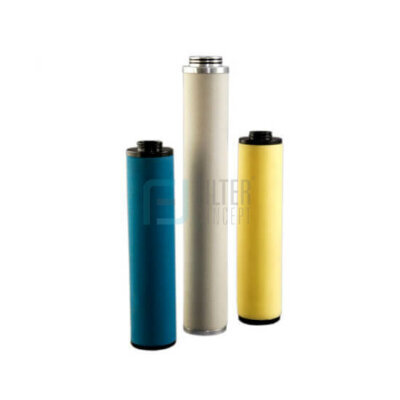
In modern industrial environments, compressed air powers a wide range of equipment and processes. From manufacturing plants and food processing facilities to automotive workshops and pharmaceutical production units, compressed air is often considered the fourth utility. However, the quality of compressed air is just as important as its availability. This is where a compressed air filter becomes an essential component of any compressed air system.
A compressed air filter removes contaminants such as dust, oil aerosols, water droplets, rust particles, and other impurities from compressed air before it reaches downstream equipment. By maintaining clean air quality, these filters help improve efficiency, extend equipment lifespan, and ensure product quality.
Why Is a Compressed Air Filter Important?
The air drawn into a compressor contains various contaminants from the surrounding environment. During the compression process, these contaminants become concentrated and can create serious problems if left untreated.
Without proper filtration, compressed air systems may experience:
- Increased equipment wear and tear
- Product contamination
- Reduced operational efficiency
- Higher maintenance costs
- Unexpected downtime
- Poor air quality in critical applications
A high-quality compressed air filter acts as the first line of defense against these issues, ensuring that compressed air remains clean and suitable for its intended application.
Common Contaminants Found in Compressed Air Systems
Understanding the contaminants present in compressed air helps highlight the importance of filtration.
1. Solid Particles
Dust, dirt, rust, and pipe scale can enter the system through intake air or develop inside pipelines. These particles can damage pneumatic tools and sensitive equipment.
2. Water Vapor and Moisture
Atmospheric air naturally contains moisture. During compression, this moisture condenses into water droplets that can corrode pipes and machinery.
3. Oil Aerosols
Many compressors use lubricating oil. Small oil particles can become airborne and travel through the compressed air system, contaminating products and equipment.
4. Microorganisms
In industries such as food processing, pharmaceuticals, and healthcare, bacteria and other microorganisms can pose significant risks if not properly filtered.
Types of Compressed Air Filters
Different filtration requirements call for different filter designs. The most commonly used compressed air filter types include:
Particulate Filters
These filters remove solid contaminants such as dust, rust, and dirt particles. They are often installed as the primary filtration stage.
Coalescing Filters
Coalescing filters capture fine oil aerosols and water droplets. Small droplets merge into larger ones and are drained from the system.
Activated Carbon Filters
These filters remove oil vapors, odors, and hydrocarbons from compressed air. They are commonly used in applications requiring extremely clean air.
Sterile Filters
Sterile filters are designed for highly sensitive industries such as pharmaceuticals and food manufacturing where microbial contamination must be minimized.
Benefits of Installing a Compressed Air Filter
Improved Equipment Reliability
Clean compressed air reduces wear on valves, cylinders, actuators, and pneumatic tools, helping equipment perform consistently over time.
Lower Maintenance Costs
By preventing contaminants from entering the system, a compressed air filter reduces the frequency of repairs and component replacements.
Enhanced Product Quality
Industries that rely on compressed air during production can avoid contamination-related defects and maintain higher quality standards.
Increased Energy Efficiency
A properly maintained filtration system helps compressors operate more efficiently, reducing energy consumption and operating costs.
Compliance with Industry Standards
Many industries must meet strict air quality regulations. Proper filtration helps organizations comply with these requirements and maintain certifications.
How to Choose the Right Compressed Air Filter
Selecting the correct compressed air filter depends on several factors:
- Air quality requirements
- Flow rate of the system
- Operating pressure
- Type of contaminants present
- Industry-specific regulations
- Maintenance requirements
It is often beneficial to use multiple filtration stages to achieve the desired air purity level. For example, a particulate filter may be followed by a coalescing filter and an activated carbon filter for maximum protection.
Maintenance Tips for Compressed Air Filters
Regular maintenance is essential for optimal performance. Consider the following best practices:
- Inspect filters regularly for signs of clogging.
- Replace filter elements according to manufacturer recommendations.
- Monitor pressure drops across the filter.
- Drain accumulated moisture from filter housings.
- Keep maintenance records for system monitoring.
Neglecting filter maintenance can reduce airflow, increase energy consumption, and compromise air quality.
Conclusion
A compressed air filter is a critical component that protects compressed air systems from harmful contaminants. Whether the goal is safeguarding equipment, improving product quality, reducing maintenance expenses, or meeting industry standards, effective filtration plays a key role in system performance.
Investing in the right compressed air filter and maintaining it properly can lead to greater operational efficiency, longer equipment life, and significant cost savings. For businesses that depend on compressed air every day, reliable filtration is not just an option—it is a necessity.
 Venues