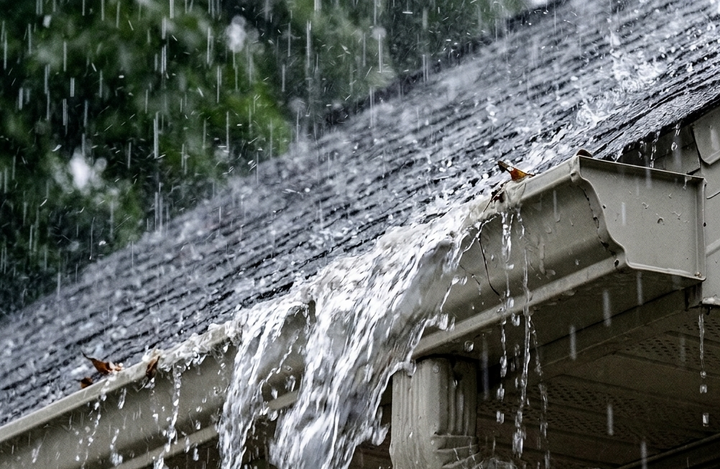
Heavy rain can put a gutter system under pressure within minutes. Water moves across the roof surface, enters the gutters, and needs to reach the downspouts quickly. When the system cannot keep up, water may spill over the edges instead of following its intended drainage path.
This may seem like a temporary nuisance during a storm, but repeated overflow can affect areas around the roof and exterior of the home. The problem may come from clogged gutters, undersized sections, blocked downspouts, poor slope, loose connections, or an unusually large amount of rainfall.
Understanding what happens when roof gutters cannot handle heavy rain can help homeowners recognize drainage problems before they contribute to larger concerns.
Why Heavy Rain Puts Extra Pressure on Roof Gutters
During ordinary rainfall, a properly functioning gutter system can usually move water away from the roof and toward the downspouts. Heavy rain changes the amount of water entering the system within a short period.
Overflow can occur when more water enters than the system can drain.
Rainfall Can Quickly Fill the System
Water does not arrive gradually during a downpour. A large amount of water can reach the roof within minutes, especially when the roof has a wide surface area.
If the gutters or downspouts cannot move that water quickly enough, it may spill over the gutter edge.
What Happens When Gutters Overflow?
Overflowing gutters can send water down areas of the exterior that are not designed to handle concentrated runoff.
Instead of moving through the gutter and downspout, water may fall near walls, windows, doors, landscaping, or the foundation.
Water Can Reach Unprotected Areas
Repeated runoff along the same section of the home can contribute to moisture-related concerns. The effect depends on the amount of water, frequency of rainfall, drainage around the property, and condition of the exterior materials.
How Clogged Gutters Affect Heavy Rain Drainage
Leaves, twigs, dirt, and other debris can reduce the space available for water inside the gutters. A system that works during light rain may struggle when a heavy storm arrives if its drainage path is partially blocked.
Downspouts can also become obstructed.
A Blockage Can Stop Water From Leaving the Roof
When water cannot reach the downspout properly, it may collect inside the gutter and eventually spill over the edge.
Regular checks can help identify blockages before the next period of heavy rainfall.
Can Overflowing Gutters Affect the Roof?
Gutters are attached near the lower edge of the roof, so problems with the drainage system can affect nearby roofing components.
Water that repeatedly collects or spills around the roof edge may expose fascia, soffits, and other nearby materials to excess moisture.
The Roof Edge Needs Proper Drainage
A functioning gutter system helps direct runoff away from the roof edge and exterior walls.
If drainage repeatedly fails during storms, homeowners may want a professional to evaluate both the gutters and nearby roofing areas.
What Is Damage Gutter and Why Does It Matter?
A damaged gutter may have cracks, separated joints, sagging sections, loose fasteners, or other problems that interfere with water movement.
Even a small defect can become more noticeable when the system is carrying a large amount of rainwater.
Damaged Sections May Struggle During Storms
A loose section can shift under the weight of water, while a cracked area may allow water to escape before it reaches the downspout.
A professional inspection can help determine if the problem is isolated or affects a larger portion of the system.
How Downspouts Help Control Heavy Rain
Gutters collect rainwater, while downspouts carry it away from the roof and toward the ground.
If a downspout is blocked, too small for the amount of water, or positioned poorly, the gutter may fill faster than it can drain.
The Entire Drainage Path Matters
Replacing or cleaning only the gutter may not solve a drainage problem if the downspout remains restricted.
Roofers and drainage professionals can evaluate the complete path water takes during rainfall.
Why Water Near the Foundation Can Be a Concern
When gutter overflow sends large amounts of water close to the home's foundation, the surrounding soil may become saturated.
The level of concern depends on soil conditions, property grading, drainage design, and how often the overflow occurs.
Runoff Should Be Directed Away From the Home
Downspouts should generally move water away from the foundation rather than releasing it directly against the exterior wall.
Proper drainage helps reduce unnecessary water accumulation around the base of the home.
How Heavy Rain Can Reveal Existing Gutter Problems
Some gutter problems remain difficult to notice during dry weather. Heavy rain can make them obvious because water begins overflowing, pooling, or following unusual paths.
Homeowners may notice water pouring from one section while another part appears relatively dry.
Storms Can Expose Weak Drainage Points
These observations can help identify areas that deserve professional attention.
A gutter system should be evaluated based on how well it moves water, not simply whether it appears intact when the weather is dry.
Comparing Normal Gutter Flow With Overflow
|
Normal Gutter Flow
|
Gutter Overflow
|
|
Water moves toward downspouts
|
Water spills over the edge
|
|
Drainage paths remain open
|
Blockages may restrict movement
|
|
Water is directed away from the roof edge
|
Runoff may fall against exterior areas
|
|
Downspouts carry collected water away
|
Water may collect around the gutter
|
|
Heavy rain is handled more effectively
|
Storm water can exceed system capacity
|
The exact cause of overflow should be determined through an inspection rather than assumed from appearance alone.
Why Early Gutter Attention Matters
A gutter system does not need to be completely broken before it deserves attention. A loose connection, partial blockage, or sagging section can affect how efficiently water moves during heavy rain.
Small drainage concerns may become more noticeable as storms become stronger or more frequent.
Professional evaluation can help homeowners understand whether cleaning, adjustment, repair, or another solution is appropriate.
How Can Homeowners Tell When Gutters Are Overwhelmed?
Heavy rain can reveal gutter problems that remain unnoticed during dry weather. Water may pour over one section, collect near the corners, or run down the side of the house instead of reaching the downspouts.
These signs are worth noting, particularly when they happen repeatedly.
Watch Where the Water Goes
The direction of runoff can offer useful clues. If water repeatedly lands beside the foundation, flows across walkways, or pours from a joint, the drainage system may not be handling the rainfall properly.
A professional can inspect the system and identify the reason for the unusual water flow.
What Can Cause Gutters to Overflow During Storms?
Overflow does not always mean the gutters themselves are too small. Several conditions can interfere with drainage.
Leaves and debris can restrict the channel, downspouts may become blocked, or a section may have lost its proper slope. Loose fasteners and separated joints can also affect performance.
The Cause Matters Before Any Work Begins
Cleaning may solve a blockage, while a damaged or poorly positioned section may require another solution.
Identifying the cause first helps avoid making unnecessary changes to the gutter system.
How Poor Gutter Drainage Can Affect Exterior Walls
When rainwater spills over the edge of the gutter, it can repeatedly travel down the same section of an exterior wall.
Over time, continued moisture exposure may affect paint, siding, trim, or other exterior components, depending on the materials and severity of the runoff.
Concentrated Water Can Create Repeated Exposure
A single overflow during an unusually intense storm may not create a serious problem. Repeated overflow deserves more attention because the same area can receive water again and again.
Can Gutter Overflow Affect Landscaping?
Water from an overflowing gutter can fall with considerable force, especially during heavy rainfall. When this happens repeatedly, soil and mulch near the home may be displaced.
Water can sometimes leave muddy areas or create channels across the ground.
Drainage Should Work With the Landscape
Properly placed downspouts help guide runoff toward suitable drainage areas. The surrounding grade and soil also influence how effectively water moves away from the house.
A gutter inspection can identify problems with the system, while property drainage may need separate evaluation when runoff continues collecting in the wrong location.
Why Gutter Slope Matters
Water needs a clear path toward the downspouts. If a gutter section becomes uneven or sags, water may collect instead of moving efficiently.
Standing water inside the gutter can add weight and place more pressure on its attachments.
Sagging Can Create a Cycle of Problems
A gutter that holds water becomes heavier, which can place additional strain on fasteners and connections. If the condition continues, the affected section may become less stable.
Professional adjustment or repair may be needed when the slope has changed.
What Should Happen After a Severe Rainstorm?
Homeowners can safely observe the gutter system from the ground after a storm. Look for unusual overflow, detached sections, pooled water, or downspouts that appear blocked.
There is no need to climb onto the roof or place yourself beneath heavy runoff to inspect the system.
Let Professionals Handle Difficult Areas
If a gutter appears loose, damaged, or disconnected, a professional can examine it more safely and determine the appropriate solution.
This is particularly important when the problem is connected to the roof edge.
How Roofers Evaluate Gutter-Related Roofing Concerns
Gutters sit along the lower edge of the roofing system, so a drainage issue can sometimes occur alongside concerns involving fascia, soffits, flashing, or nearby roofing materials.
A professional roofer can look at the surrounding area when evaluating a drainage concern.
The Roof Edge Tells Part of the Story
If water has repeatedly overflowed in the same location, nearby materials may show signs of moisture exposure.
Checking the surrounding area can help determine if the concern is limited to the gutter or extends farther into the roofing system.
How Often Should Roof Gutters Be Checked?
There is no single schedule that works for every property. Homes surrounded by trees may collect debris more quickly than homes with little vegetation nearby.
Weather conditions, roof size, gutter design, and the age of the system can also affect how often it needs attention.
Seasonal Checks Can Be Useful
Checking the gutters before periods of heavy rainfall can help homeowners spot leaves, debris, loose sections, or other visible concerns.
A professional assessment may be useful when the same overflow problem keeps returning.
How Professional Roofing Help Can Address Drainage Concerns
Homeowners may not know if repeated gutter overflow is caused by a blockage, a damaged section, poor drainage, or another issue.
For homeowners searching for roofing companies in Raleigh North Carolina, a professional evaluation can help identify concerns around the roof edge and explain what may need attention.
The Right Solution Depends on the Cause
Some situations may only require cleaning or adjustment. Others may involve a damaged section, drainage redesign, or repairs around the roof edge.
An inspection helps determine which situation applies rather than treating every overflow problem the same way.
Why Gutter Problems Should Not Be Ignored
A gutter that overflows once during an unusually intense downpour may not indicate a major problem. Repeated overflow, standing water, loose sections, or runoff against the home deserves closer attention.
The goal is to keep rainwater moving through the intended drainage route.
Final Thoughts
Roof gutters have an important job during heavy rain. They collect runoff from the roof and direct it toward downspouts so water can move away from the home's exterior.
When the system cannot handle the volume of rain, water may spill over the edges, collect around the property, or repeatedly expose the roof edge and exterior walls to moisture. A damaged gutter, blocked downspout, poor slope, loose connection, or inadequate drainage path can all contribute to the problem.
Homeowners should pay attention when overflow happens repeatedly rather than assuming it is simply part of a heavy storm. A professional inspection can help identify the cause and determine the appropriate next step, helping the gutter system handle future rainfall more effectively.
Homeowners can check Modern Roofing USA reviews.
 Venues