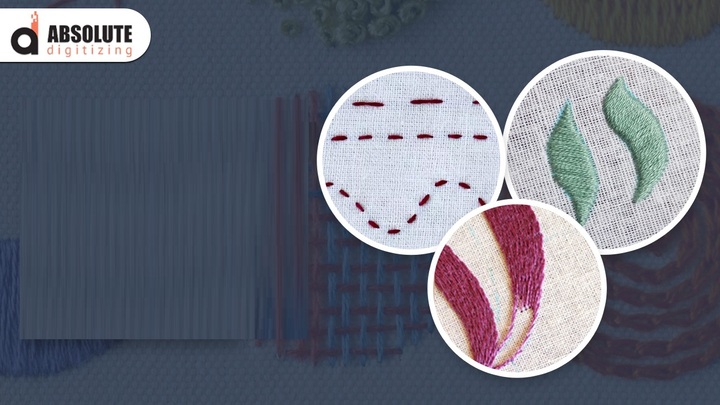
Simple Guide to Embroidery Stitch Types
Introduction
Have you ever admired a beautifully embroidered logo, patch, or decorative design and wondered what makes it look so polished? The secret often lies in the stitch type used to create it.
Understanding embroidery stitches is like learning the different brush strokes in painting. Each stitch serves a unique purpose and contributes to the final look, texture, and durability of the design. Whether you're a beginner or someone looking to improve embroidery knowledge, this simple guide to embroidery stitch types will help you understand the fundamentals.
Let's explore the most common embroidery stitches and how they bring designs to life.
Why Embroidery Stitch Types Matter
Not all embroidery stitches are created equal. Different stitch types are used to achieve different effects, textures, and levels of detail.
The right stitch choice can:
- Improve design appearance
- Increase durability
- Reduce thread breaks
- Enhance stitch efficiency
- Create professional-looking embroidery
Professional digitizers carefully select stitch types based on the artwork, fabric, and intended use.
The Most Common Embroidery Stitch Types
1. Running Stitch
The running stitch is one of the simplest and most widely used embroidery stitches.
It consists of a single line of stitches that follow a path.
Best Uses for Running Stitch
- Fine outlines
- Small details
- Decorative accents
- Lightweight designs
Think of it as drawing with thread. It creates clean lines without adding excessive thickness.
Benefits
- Fast stitching
- Minimal thread usage
- Excellent for detail work
2. Satin Stitch
The satin stitch is known for its smooth, shiny appearance.
It uses closely spaced stitches that run side to side, creating a polished finish.
Best Uses for Satin Stitch
- Lettering
- Monograms
- Borders
- Narrow design elements
Satin stitches are often used when a bold, elegant look is desired.
Benefits
- Professional appearance
- Excellent thread coverage
- Smooth finish
3. Fill Stitch
Fill stitch, sometimes called tatami stitch, is used to cover larger areas of a design.
Instead of creating a smooth surface, it forms a patterned texture.
Best Uses for Fill Stitch
- Large logos
- Background sections
- Solid design elements
- Custom patches
Benefits
- Durable coverage
- Efficient for large areas
- Creates texture and dimension
Specialty Embroidery Stitch Types
Beyond the basic stitches, there are several specialty stitches that add creativity and depth.
4. Zigzag Stitch
Zigzag stitches move back and forth in a repeating pattern.
Common Uses
- Decorative borders
- Appliqué work
- Reinforcement stitching
Benefits
- Flexible design options
- Strong edge coverage
5. Bean Stitch
A bean stitch repeats the same path multiple times.
This creates a thicker, more visible line.
Common Uses
- Decorative outlines
- Bold accents
- Artistic embroidery
Benefits
- Increased visibility
- Strong visual impact
6. Motif Stitch
Motif stitches use repeating decorative patterns instead of standard stitch lines.
Common Uses
- Decorative embroidery
- Fashion designs
- Creative embellishments
Benefits
- Unique appearance
- Adds artistic flair
How Digitizers Choose Stitch Types
Professional digitizers don't randomly assign stitches. Every choice is intentional.
They consider:
Design Size
Small details often require running or satin stitches.
Fabric Type
Different fabrics react differently during stitching.
Stitch Density
Too many stitches can cause puckering, while too few may leave gaps.
Desired Appearance
Some designs need texture, while others require a smooth finish.
At Absolute Digitizing, experienced digitizers carefully select stitch types that help designs stitch cleanly and maintain their visual appeal.
Comparing Popular Embroidery Stitch Types
| Stitch Type |
Best For |
Appearance |
| Running Stitch |
Outlines and details |
Thin and clean |
| Satin Stitch |
Text and borders |
Smooth and shiny |
| Fill Stitch |
Large areas |
Textured and durable |
| Zigzag Stitch |
Borders and appliqué |
Flexible and decorative |
| Bean Stitch |
Bold outlines |
Thick and visible |
| Motif Stitch |
Decorative work |
Artistic and unique |
Tips for Choosing the Right Stitch Type
If you're creating or digitizing embroidery designs, keep these tips in mind.
Match the Stitch to the Design
Fine details need different stitches than large solid areas.
Consider Fabric Characteristics
Heavy fabrics and lightweight fabrics require different approaches.
Avoid Excessive Density
More stitches don't always mean better quality.
Test Before Production
A sample stitch-out can reveal issues before full production begins.
Work with Experienced Digitizers
Professional digitizing helps ensure the right stitch choices for optimal embroidery results.
Common Mistakes Beginners Make
Many newcomers to embroidery make similar mistakes.
Using Satin Stitches on Large Areas
This can cause snagging and uneven stitching.
Overcrowding Small Designs
Tiny details often become unreadable when stitched.
Ignoring Fabric Type
Different materials behave differently during embroidery.
Choosing Style Over Function
A beautiful stitch isn't always the most practical choice.
Understanding stitch types helps avoid these common problems.
How Stitch Types Affect Embroidery Quality
Stitch selection directly impacts:
- Design clarity
- Thread usage
- Machine performance
- Production speed
- Durability
A well-digitized design combines multiple stitch types to achieve the best overall result.
This is why professional embroidery files often use running, satin, and fill stitches together within a single design.
Conclusion
This simple guide to embroidery stitch types shows that every stitch has a purpose. From the clean precision of running stitches to the smooth elegance of satin stitches and the durability of fill stitches, each plays a key role in creating high-quality embroidery.
By understanding how stitch types work, you can make better design decisions, improve embroidery results, and avoid common production issues. Whether you're creating logos, patches, apparel, or decorative embroidery, choosing the right stitch type is one of the most important steps toward professional-quality results.
FAQs
What is the most common embroidery stitch type?
The running stitch, satin stitch, and fill stitch are the most commonly used embroidery stitch types.
Which stitch is best for embroidery lettering?
Satin stitch is generally the preferred choice for embroidery lettering because it creates smooth, clean coverage.
What is a fill stitch used for?
Fill stitch is used to cover large design areas and create durable, textured embroidery.
Can one design use multiple stitch types?
Yes. Most professional embroidery designs combine several stitch types to achieve the best appearance and performance.
Why are stitch types important in embroidery digitizing?
Stitch types affect design quality, durability, machine efficiency, and the overall appearance of the finished embroidery.
 Venues