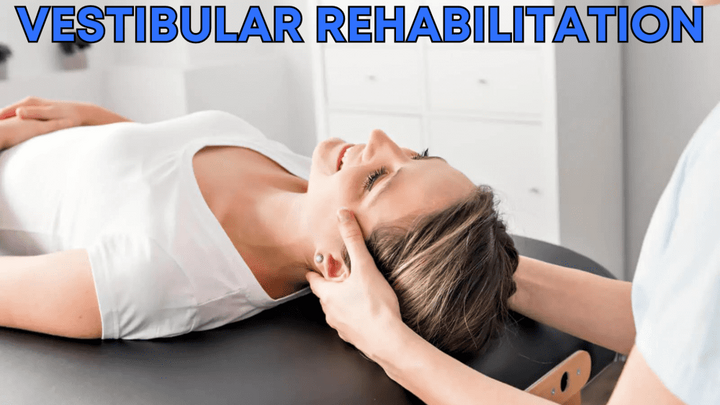
Balance and vestibular conditions affect quality of life profoundly. They create dizziness, unsteadiness, and fear of falling. Many people live with these symptoms for years unnecessarily. Effective recovery strategies exist and are backed by strong evidence. The right approach restores stability, reduces dizziness, and builds confidence. Recovery requires commitment, expert guidance, and a structured plan. This article explores the most effective strategies for recovering from balance and vestibular conditions.
What Balance and Vestibular Conditions Involve
Balance conditions broadly encompass any disorder affecting postural stability. Vestibular conditions specifically involve dysfunction of the inner ear system. This system sends signals to the brain about head position and movement. When these signals are faulty or absent, dizziness and instability result. The brain struggles to maintain orientation without correct vestibular input. It compensates by relying more on vision and proprioception. Recovery strategies help the brain adapt and restore functional balance. Understanding the condition is the first step toward effective recovery.
Common Vestibular Conditions and Their Features
Benign paroxysmal positional vertigo causes brief episodes of intense spinning. Episodes are triggered by specific head position changes reliably. Vestibular neuritis causes prolonged dizziness following inner ear inflammation. Meniere's disease involves episodic attacks of severe vertigo and hearing changes. Labyrinthitis is caused by inner ear infection and produces acute symptoms. Persistent postural-perceptual dizziness causes chronic dizziness and unsteadiness. Each condition requires a specific therapeutic approach for best outcomes. Accurate diagnosis ensures treatment is targeted appropriately.
Comprehensive Assessment as the Starting Point
Every effective recovery begins with comprehensive clinical assessment. The clinician takes a detailed history of symptoms and triggers. Duration, frequency, and severity of dizziness episodes are documented. Aggravating and relieving factors are carefully explored. Oculomotor testing evaluates eye movement control accurately. Balance and gait assessments measure functional impairment objectively. Positional testing determines whether BPPV is present and in which canal. Assessment findings guide the selection of the most appropriate strategies.
The Importance of Accurate Diagnosis
Accurate diagnosis is essential for effective vestibular recovery. Different conditions require very different therapeutic approaches. BPPV is treated with repositioning maneuvers specific to the affected canal. Vestibular neuritis is managed with rehabilitation and vestibular adaptation exercises. Meniere's disease requires a combination of lifestyle modification and rehabilitation. Persistent postural-perceptual dizziness requires graded exposure and cognitive strategies. Treating the wrong condition with the wrong approach wastes time. Precise diagnosis ensures every strategy is clinically appropriate and effective.
Canalith Repositioning as a Primary Recovery Strategy
Canalith repositioning is the primary treatment for BPPV. It works by guiding displaced calcium crystals out of the semicircular canals. The Epley maneuver is the most commonly used repositioning technique. The patient's head is moved through a sequence of four positions. Each position allows gravity to guide the crystals further along the canal. The crystals ultimately enter the utricle, where they are harmless. Most patients achieve significant relief after one to three sessions. This simple and safe technique can be life-changing for BPPV sufferers.
Patient Self-Management of BPPV
Self-management techniques are an important part of BPPV recovery. The Epley and half-somersault maneuvers can be performed at home. Therapists teach patients correct technique before home practice begins. Self-management reduces dependence on clinic visits for recurrent BPPV. Patients learn to recognize when repositioning is needed. Clear instructions and video resources support accurate home performance. Consistent self-management practice reduces episode frequency significantly. Empowering patients with self-management tools is a key recovery goal.
Vestibular Adaptation Exercises
Vestibular adaptation exercises retrain the vestibulo-ocular reflex. This reflex stabilizes vision by moving the eyes opposite to head movement. When vestibular function is impaired, this reflex becomes inaccurate. Gaze stabilization exercises systematically improve its accuracy. The patient focuses on a stationary target while moving the head. Repetition gradually recalibrates the reflex through neuroplasticity. The brain learns to produce more accurate compensatory eye movements. Improved gaze stabilization reduces dizziness during everyday head movements.
Progression of Vestibular Adaptation Exercises
Vestibular adaptation exercises progress through defined stages. Initial exercises involve slow, controlled head movements on a plain background. Speed is progressively increased as the patient adapts. Exercises then transition to more complex visual backgrounds. Moving targets replace stationary ones for greater challenge. Exercises are eventually performed during walking and functional tasks. Each progression challenges the vestibular system more completely. The goal is tolerance for the head movements required in daily life.
Habituation Therapy for Chronic Dizziness Recovery
Habituation therapy reduces response to provocative stimuli over time. Certain movements or environments trigger dizziness in chronic sufferers. Habituation exposes the patient repeatedly to these provocative stimuli. Each exposure produces a gradually smaller dizziness response. The nervous system learns that these stimuli are not dangerous. Dizziness response is progressively dampened through repeated practice. Habituation is particularly effective for motion sensitivity and visual vertigo. Consistent daily practice produces the most reliable and lasting results.
Managing the Challenge of Habituation Therapy
Habituation therapy is challenging because it temporarily worsens symptoms. This initial provocation is a necessary part of the process. Patients must understand this to persist through the discomfort. Therapists carefully calibrate exercise intensity to manageable levels. Mild to moderate dizziness during exercises is therapeutically appropriate. Severe provocation is counterproductive and should always be avoided. Education and reassurance are critical components of habituation therapy. Patients who understand and trust the process achieve the best outcomes.
Balance Retraining for Functional Stability
Balance retraining addresses the practical consequences of vestibular dysfunction. Unsteadiness, poor gait, and fall risk must all be directly addressed. Static balance exercises challenge postural control in standing positions. Progressive surface changes increase the demand on the balance system. Dynamic exercises address stability during walking and functional movement. Dual-task training adds cognitive demands to physical balance challenges. These exercises prepare patients for the unpredictable demands of real life. Balance retraining transforms vestibular recovery into functional confidence.
Fall Prevention as a Recovery Priority
Fall prevention is a priority for all vestibular rehabilitation programs. Vestibular disorders significantly elevate fall risk. Balance exercises reduce this risk through improved postural control. Strength training supports the muscles needed for fall recovery. Gait training improves walking safety in challenging environments. Environmental modification advice reduces hazards in the home. Patients learn strategies for safe navigation in busy environments. Comprehensive fall prevention is always integrated into vestibular recovery.
Lifestyle Modifications That Support Recovery
Lifestyle adjustments play an important role in vestibular recovery. Adequate sleep supports nervous system function and adaptation. Stress management reduces the central sensitization that amplifies dizziness. Regular hydration supports inner ear fluid balance. Caffeine and alcohol reduction benefits conditions like Meniere's disease. Dietary sodium restriction reduces inner ear fluid pressure. Gradual return to triggering activities builds tolerance over time. These modifications complement clinical rehabilitation for comprehensive recovery.
Pacing and Activity Management During Recovery
Pacing is an important skill for managing vestibular symptoms. Overdoing activity can trigger significant symptom flare-ups. Underdoing activity allows deconditioning and slows adaptation. A balanced approach involves gradual, consistent engagement with activities. Patients learn to recognize their limits and increase demands gradually. Activity diaries help therapists understand symptom patterns and triggers. Those who access vestibular physiotherapy Whitby are guided in developing effective pacing strategies. Pacing accelerates recovery by optimizing the balance between rest and challenge.
Integrating All Strategies for Complete Recovery
Effective vestibular recovery rarely relies on a single strategy. Canalith repositioning addresses BPPV directly and effectively. Adaptation exercises retrain the vestibulo-ocular reflex over time. Habituation therapy reduces sensitivity to provocative stimuli. Balance retraining restores functional stability in daily activities. Lifestyle modification reduces symptom triggers and supports healing. Education empowers patients to understand and manage their condition. All these strategies together create a comprehensive recovery pathway.
Recovery from balance and vestibular conditions is achievable with the right approach. Expert assessment, targeted treatment, and consistent practice drive meaningful progress. Patients who engage fully with their rehabilitation programs recover more completely. Dizziness diminishes, balance improves, and confidence returns progressively. The journey requires patience, persistence, and professional guidance. But the destination — stable, confident, dizziness-free daily living — is worth every effort. Taking the first step toward specialized vestibular care begins the path to recovery.
 Venues