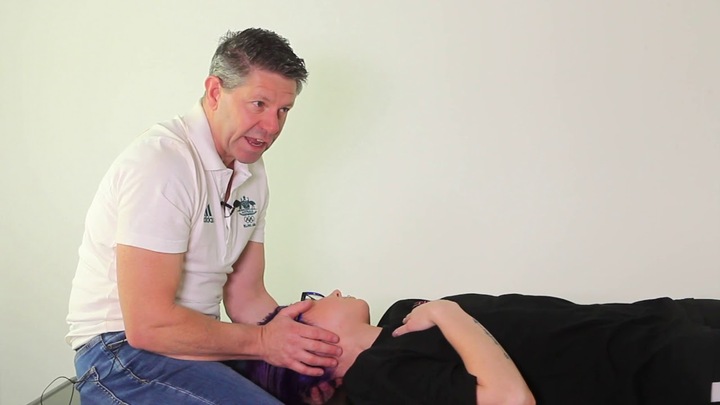
Musculoskeletal conditions affect millions of people every year globally. They cause pain, reduced mobility, and significant functional limitations. Recovery from these conditions has evolved tremendously in recent years. Modern physiotherapy incorporates evidence-based techniques and advanced technologies. Patients now have access to treatments that produce results previously unachievable. Understanding modern recovery techniques empowers patients to make fully informed choices.
The Changing Landscape of Musculoskeletal Recovery
Traditional physiotherapy provided exercise, manual therapy, and structured rest. These approaches remain foundational but have real and documented limitations. Chronic tendinopathy, stubborn myofascial pain, and calcific conditions resisted standard care. Advanced technologies have filled this critical gap in treatment effectiveness. Modern musculoskeletal rehabilitation is a blend of science, technology, and skilled care. The results for patients are significantly better than in previous decades.
Active recovery approaches have replaced passive rest in modern rehabilitation. Research consistently demonstrates that active participation accelerates recovery measurably. Guided movement and progressive exercise produce superior outcomes to immobilization. Modern physiotherapists coach patients to move confidently within safe parameters. Pain avoidance is replaced by pain-guided activity in current clinical practice. This shift in philosophy has fundamentally improved recovery outcomes for patients.
Evidence-Based Practice in Modern Musculoskeletal Rehabilitation
Evidence-based practice is the recognized gold standard of modern physiotherapy. It integrates research evidence with clinical expertise and patient preferences. Treatments that lack research support are being phased out in favor of proven ones. Systematic reviews and meta-analyses guide clinical decision-making effectively. Physiotherapists stay current with evolving evidence through continuing education. The commitment to evidence ensures patients receive the most effective available care.
Clinical guidelines now inform treatment selection for specific conditions. Achilles tendinopathy guidelines recommend progressive loading over prolonged rest. Rotator cuff guidelines prioritize exercise over early surgical intervention. Knee osteoarthritis guidelines strongly favor exercise over medication alone. These evidence-based protocols produce better outcomes and reduce unnecessary treatment. Modern practice is both more effective and more efficient than ever before.
Acoustic Wave Technology in Musculoskeletal Recovery
Acoustic wave technology represents one of the most significant advances in musculoskeletal care. It delivers high-energy sound waves to degenerative and painful tissues. These waves trigger a powerful and sustained biological healing response. Collagen synthesis, neovascularization, and calcific deposit resorption are all stimulated. The result is genuine tissue regeneration rather than simple symptom management. Patients who have failed conventional treatments often respond very well to this approach.
shockwave therapy has a substantial and growing evidence base supporting its use. Multiple conditions including plantar fasciitis, patellar tendinopathy, and Achilles tendinopathy respond well. Calcific shoulder tendinopathy, a particularly difficult condition, responds very effectively. The non-invasive nature of the treatment eliminates surgical risks entirely. Sessions are brief, typically 15 to 20 minutes, and highly practical for busy patients. Clinical results are consistently strong and well-supported by high-quality research.
Integrating Acoustic Wave Treatment With Exercise Rehabilitation
Combining acoustic wave treatment with targeted exercise produces superior outcomes. The acoustic waves stimulate biological healing within the tissue. Progressive exercise then loads and remodels the newly formed collagen. This combination mirrors and amplifies the natural tendon healing process. Tendon remodeling continues for weeks after treatment concludes. Patients who consistently perform prescribed exercises achieve the best long-term outcomes.
Eccentric exercise is particularly important in tendon rehabilitation programs. Eccentric loading involves muscle lengthening under controlled resistance. This type of loading is highly stimulating for tendon collagen organization. Physiotherapists prescribe specific eccentric protocols for each tendon condition. Achilles eccentric calf raises are the gold standard for Achilles tendinopathy. Combining eccentric exercise with acoustic wave treatment is highly and consistently effective.
Manual Therapy Techniques in Modern Recovery
Manual therapy remains a cornerstone of modern musculoskeletal rehabilitation. However, techniques have become more refined and evidence-based over time. Joint mobilization techniques are graded and applied based on specific dysfunction. High-velocity manipulation is used selectively within evidence-supported indications. Soft tissue techniques have evolved to target specific anatomical structures precisely. Modern manual therapy is more precise and effective than older approaches.
Instrument-assisted soft tissue mobilization is a modern technique gaining recognition. Specialized tools are used to detect and treat fascial restrictions. The tools provide enhanced feedback to the therapist during treatment. Tissue quality assessments guide the intensity of treatment application. This technique effectively treats scar tissue and chronic fascial adhesions. Patients often experience rapid improvements in mobility and reduced pain.
Dry Needling in Modern Rehabilitation Programs
Dry needling has become a standard and widely used technique in physiotherapy. Physiotherapists with appropriate training incorporate it across a range of conditions. It treats myofascial trigger points that resist manual therapy alone. The technique produces measurable changes in muscle electromyography activity. Pain relief and muscle relaxation occur rapidly following each treatment session. Dry needling is a powerful complement to exercise and manual therapy.
Research on dry needling continues to expand and meaningfully strengthen. Studies demonstrate its effectiveness for neck pain, shoulder pain, and hip pain. Low back pain and headaches also respond well to dry needling treatment. Protocols combining dry needling with exercise show particularly strong outcomes. Physiotherapists individualize needle placement based on clinical assessment findings. The technique is safe, efficient, and produces rapid and meaningful clinical results.
Exercise Rehabilitation in Modern Recovery
Exercise is the most powerful and evidence-supported treatment in musculoskeletal recovery. Modern exercise rehabilitation is highly specific and scientifically well-informed. Dosage principles including load, frequency, and progression are carefully applied. Exercises are selected based on biomechanical and neuromuscular assessment findings. Generic exercise programs have been replaced by individualized and targeted protocols. The precision of modern exercise prescription dramatically improves patient outcomes.
Neuromuscular training is an important component of modern exercise rehabilitation. It targets the nervous system's control of movement and stability. Proprioceptive exercises improve joint position sense and reactive muscle control. Balance training reduces the risk of re-injury and future dysfunction. Cognitive movement strategies improve movement quality at a neurological level. Neuromuscular training produces benefits that extend well beyond local tissue healing.
Progressive Loading for Tendon Rehabilitation
Progressive tendon loading is the most evidence-supported approach for tendinopathy. Tendons respond to mechanical loading by producing new collagen fibers. Without adequate loading, tendons weaken and remain chronically painful. With too much loading, tendons are aggravated and healing is impaired. The art and science of progressive loading lies in precise dosage management. Modern physiotherapists are highly skilled in monitoring and adjusting tendon loading.
Isometric exercises are increasingly recognized as an effective early intervention. Sustained muscle contractions without joint movement reduce tendon pain acutely. They provide a safe loading option during the sensitive early rehabilitation phase. Research shows isometric exercises reduce pain in patellar tendinopathy significantly. They are performed daily as a pain management and tendon stimulation tool. Progressive isotonic and eccentric loading follows once acute pain has settled.
Nutrition and Lifestyle in Modern Recovery Approaches
Modern musculoskeletal rehabilitation acknowledges the important role of nutrition. Protein intake supports collagen synthesis and muscle repair effectively. Vitamin C is essential for collagen cross-linking and structural integrity. Omega-3 fatty acids reduce systemic inflammation and support tissue healing. Collagen supplements show emerging evidence for tendon repair benefit. Nutritional counseling is increasingly integrated into comprehensive rehabilitation programs.
Sleep optimization is another important modern rehabilitation priority. Deep sleep phases are when growth hormone is released for tissue repair. Poor sleep quality significantly slows recovery from musculoskeletal conditions. Sleep hygiene education is now regularly included in physiotherapy programs. Addressing sleep directly accelerates recovery in ways that exercise alone cannot. Modern physiotherapy treats the whole person, not just the injured structure.
Mental Health and Recovery Outcomes
Psychological factors significantly influence musculoskeletal recovery outcomes. Fear of movement and pain catastrophizing slow physical recovery consistently. Pain neuroscience education reduces these psychological barriers effectively. Understanding why pain persists empowers patients to move more confidently. Mindfulness-based stress reduction supports recovery through nervous system regulation. Modern rehabilitation explicitly and skillfully addresses the mind-body connection.
Acceptance and commitment therapy principles are being integrated into physiotherapy. Patients learn to acknowledge pain without allowing it to control behavior. This psychological flexibility supports more consistent engagement with rehabilitation. Movement-based mindfulness practices blend physical and psychological recovery effectively. Physiotherapists are increasingly skilled in addressing these psychological dimensions. Comprehensive modern rehabilitation produces better outcomes by treating the whole person.
Conclusion
Modern recovery techniques for musculoskeletal conditions are more effective than ever. Technology, evidence-based exercise, and precision manual therapy have transformed outcomes. Acoustic wave technology addresses degenerative conditions that previously resisted all treatment. Dry needling, progressive loading, and neuromuscular training complete a powerful toolkit. Nutrition, sleep, and mental health are integral components of modern rehabilitation. Patients who access modern physiotherapy care benefit from the full breadth of these advances.
 Venues