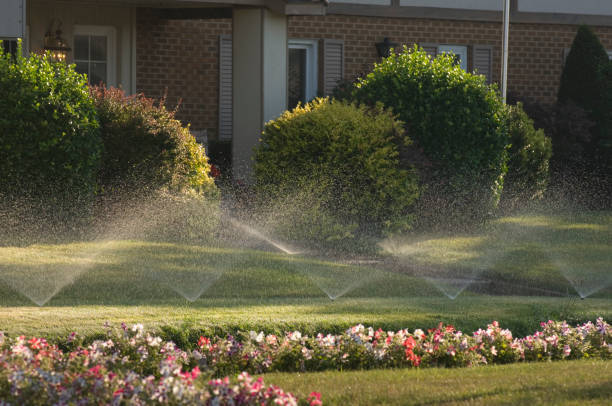
Irrigation systems are precision-engineered to deliver water exactly where and when your lawn needs it. They represent a significant financial investment in your property's infrastructure and landscaping value. But this investment is vulnerable to one predictable annual threat that many property owners underestimate. Cold weather, and specifically the freezing temperatures that winter brings, can destroy irrigation components efficiently and expensively. Cold weather preparation is the straightforward solution to this predictable threat.
Understanding why preparation matters begins with understanding what cold weather actually does to an unprotected system. It also requires recognizing the real financial consequences of inadequate preparation. And it means appreciating how relatively simple and affordable proper preparation actually is. This article covers all three dimensions of this important topic for every property owner with an irrigation system.
What Cold Weather Does to an Unprepared Irrigation System
Cold weather damage to irrigation systems follows a clear and predictable sequence. Water inside pipes, heads, valves, and backflow preventers reaches its freezing point. As it freezes, the molecular structure of water expands by approximately nine percent. This expansion has nowhere to go inside a sealed irrigation component. The internal pressure generated by this expansion exceeds the structural capacity of plastic, rubber, and even metal components.
The failure pattern that results is both extensive and expensive. Sprinkler heads at or near the surface freeze first due to direct exposure to cold ground. Their thin plastic bodies crack cleanly along lines of structural weakness. Flexible rubber seals inside valve bodies become brittle and tear under freeze stress. PVC lateral pipes develop longitudinal cracks or separate completely at fitting connections. Backflow preventers crack internally and may completely lose their ability to function.
The Invisible Nature of Winter Damage
A particularly challenging aspect of freeze damage is its invisible nature during the winter season. Cracks in underground pipes do not produce visible surface symptoms when the ground is frozen. Cracked sprinkler heads look undamaged from above the soil surface. Internally failed backflow preventers show no external sign of their compromised condition. The damage accumulates silently throughout the cold months. Property owners discover its full extent only when water pressure is reintroduced during spring startup.
Spring startup after an unprotected winter is often an alarming experience. Zone by zone, leaks, failed heads, and pressure problems reveal the winter's toll. Underground leaks may have caused significant undetected soil saturation around damaged pipe sections. The scope of repair work needed may be extensive and immediately disruptive to spring lawn care plans. All of this was preventable with action taken the previous fall, a fact that is cold comfort when facing repair bills.
The Real Cost of Inadequate Cold Weather Preparation
Understanding the financial consequences of skipping cold weather preparation helps establish the correct perspective on prevention costs. Single underground pipe crack repairs require excavation, replacement pipe, fittings, labor, and lawn restoration. This repair may cost several hundred dollars for a single straightforward break. Multiple breaks in one system after a severe winter can multiply this cost significantly. Valve manifold damage requiring manifold assembly replacement adds further to the total.
Above-ground component damage adds costs that are often overlooked in damage estimates. Backflow preventer replacement requires licensed plumbing professionals in most jurisdictions. Replacement parts, labor, and any required permits or inspections add up quickly. If the preventer was not inspected after the freeze, additional failures may be discovered during replacement. Spring startup for an unprotected system can become a cascade of discoveries that escalates total repair costs well beyond initial estimates.
Comparing Prevention Costs to Repair Costs
Professional winterization services are consistently affordable relative to the repair costs they prevent. The service includes blowout of all zones, backflow preventer drainage, component inspection, and physical protection recommendations. This comprehensive service requires typically one to two hours for a residential system. The cost falls within a predictable and manageable range for the vast majority of property owners. Even multiple years of professional winterization costs less than a single moderate freeze damage repair event.
This financial comparison makes the case for preparation unambiguously clear. Prevention costs are fixed, predictable, and modest. Repair costs are unpredictable, variable, and often significantly higher than expected. Property owners who choose prevention over risk are making the objectively better financial decision. The only scenario where skipping winterization saves money is when the system experiences no freeze damage at all. This scenario is not guaranteed and becomes less likely with every year of skipped preparation.
How Cold Weather Preparation Specifically Protects Your Investment
Cold weather preparation protects your irrigation investment through several distinct mechanisms. Compressed air blowout removes the water that is the physical agent of freeze damage. Without water present inside components, freezing temperatures cannot cause the expansion-related failures that destroy pipes and heads. This direct protective mechanism is the most important benefit of proper winterization. It eliminates the threat rather than merely reducing it.
Physical insulation of above-ground components provides a secondary layer of protection. Even after draining, residual moisture and the thermal mass of metal components can still be vulnerable in extreme cold. Foam insulation slows heat loss from exposed components dramatically. This slowing of heat loss gives components more time before reaching freezing temperature. In many cases, insulated components never reach freezing even during extreme cold events.
Controller Protection and Its Role in Preventing Operational Damage
Controller deactivation is a preparation step that prevents a specific and easily overlooked damage scenario. An active controller that attempts to activate zones after winterization or during cold weather can cause immediate damage. Opening a valve to fill a zone with water during freezing temperatures defeats the entire blowout effort. Water rushes into pipes that may still be partially frozen, creating immediate failure conditions. Simple controller deactivation through rain delay mode prevents this scenario entirely at zero cost.
Removing controller batteries before winter protects the controller's electronic integrity throughout the cold season. Battery leakage in extreme cold can permanently damage circuit boards and programming memory. A damaged controller may need replacement or reprogramming before the new irrigation season can begin. The cost and inconvenience of controller problems at spring startup is entirely avoidable. Battery removal is a two-minute winterization step that protects a component that can be expensive to replace.
Regional Differences in Cold Weather Preparation Intensity
Not all regions require the same intensity of cold weather preparation. Mild climates may experience only occasional light frosts with minimal underground freeze risk. These regions still benefit from preparation but may tolerate less intensive approaches in mild winters. Cold climates with sustained below-freezing temperatures require thorough, uncompromising preparation every single year. Understanding your region's typical winter conditions helps calibrate your preparation intensity appropriately.
Properties in northern Canada, the northern United States, and other cold continental climates cannot afford incomplete preparation. Ground frost penetrates well below irrigation pipe depths in these regions every winter. Temperatures remain below freezing for months, giving ice unlimited time to reach every unprotected component. Preparation in these regions must be thorough, executed early, and followed by appropriate insulation of all above-ground components. There is no margin for partial preparation in climates where winter is consistently harsh.
Unusual Cold Events and Why Annual Preparation Is Always Wise
Unusual cold events in typically mild regions have caused widespread irrigation damage in recent years. Weather patterns can deliver extreme cold to areas with no historical freeze risk. Property owners in mild climates who skipped preparation because they never needed it face unexpected and severe repair situations during these events. Annual preparation is always the wisest approach regardless of regional norms. The cost of annual preparation in any climate is a reliable hedge against the unpredictable winters that climate variability increasingly delivers.
Professional services for sprinklers winterization apply the correct preparation intensity for your specific regional conditions. They know the local climate well and calibrate their service to address actual freeze risk rather than a generic approach. Their experience with local weather patterns informs decisions about timing, blowout pressure, and physical protection measures. This locally informed expertise makes professional winterization services more effective than any DIY approach that lacks local context. Regional knowledge combined with technical expertise is what professional winterization services deliver with every appointment.
Building a Multi-Year Cold Weather Preparation Habit
Cold weather preparation delivers its greatest value when it becomes a consistent annual habit. A single year of excellent preparation protects the system for that winter. Multiple years of consistent preparation preserve component integrity cumulatively. The pipes that never experience freeze stress maintain their structural integrity decade after decade. The heads that are blown out every fall spray accurately for many seasons beyond what unprotected heads achieve.
Building this habit requires making preparation a scheduled and non-negotiable fall activity. Treat it with the same priority as any other critical property maintenance responsibility. Book your professional service appointment early each year before schedules fill. Confirm the appointment as cold weather approaches and prepare the property for the technician's visit. A consistent habit executed year after year produces the compounding benefit of a long-lived and reliable irrigation system.
Conclusion
Cold weather preparation matters for irrigation systems because the alternative is both predictable and costly. Freezing water destroys pipes, heads, valves, and backflow preventers efficiently and without warning. The damage is invisible in winter and often extensive upon discovery in spring. Proper cold weather preparation eliminates this threat at a cost that is always manageable and always less than the repairs it prevents. Property owners who prioritize preparation protect their systems, their lawns, their budgets, and their peace of mind through every cold season their irrigation system faces.
 Venues