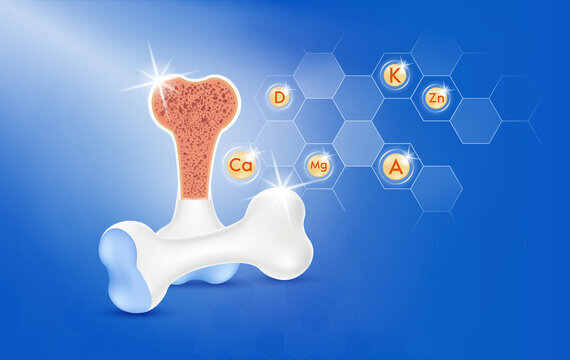
Bone regeneration is a sophisticated biological process requiring specific conditions. Medical devices have become essential partners in supporting this process. From simple casts to advanced stimulation technology, devices play many roles. Understanding these roles clarifies why devices matter so much. This guide explores how medical devices support bone regeneration comprehensively. Their contributions span mechanical, biological, and monitoring functions broadly.
Defining Bone Regeneration and Its Requirements
Bone regeneration refers to the body's process of repairing damaged bone. This process requires several specific conditions to proceed optimally. Mechanical stability prevents disruptive movement at the repair site. Adequate blood supply delivers necessary cells and nutrients. Appropriate biological signaling coordinates cellular activities precisely. Sufficient building blocks, including minerals and proteins, must be available. When these conditions are met, regeneration typically proceeds successfully.
Medical devices address these requirements in various ways. Some devices provide mechanical stability directly. Others enhance biological signaling through energy delivery. Still others monitor progress to ensure conditions remain favorable. The diversity of device types reflects the multiple requirements regeneration demands. Understanding device categories helps clarify their specific contributions.
Categories of Devices Supporting Regeneration
Devices supporting bone regeneration fall into several broad categories. Structural devices include casts, splints, braces, and surgical hardware. Stimulation devices include electrical, ultrasound, and electromagnetic field technologies. Monitoring devices include imaging equipment and wearable sensors. Delivery devices facilitate biological therapies like growth factors. Each category contributes distinctly to the regeneration process. Many treatment plans incorporate devices from multiple categories simultaneously.
Structural Devices and Mechanical Stability
Structural devices provide the mechanical foundation for bone regeneration. Casts immobilize fractures, preventing disruptive movement during early healing. This stability allows the initial hematoma and callus to form undisturbed. Surgical hardware, including plates, screws, and rods, provides internal stability. This hardware holds bone fragments in precise alignment during healing. External fixators provide stability through devices outside the body.
The mechanical environment significantly influences regeneration quality. Excessive movement disrupts the delicate early healing tissue. Insufficient stability can lead to malunion or nonunion. Appropriately rigid stability, balanced with some controlled movement, often optimizes outcomes. This balance, called the "Goldilocks principle" of fracture stability, guides device selection. Surgeons and physicians carefully consider this balance for each fracture.
Evolution of Surgical Fixation Devices
Surgical fixation devices have evolved considerably over decades. Early plates were rigid and sometimes impeded natural bone biology. Modern locking plates provide stability while preserving blood supply better. Intramedullary nails distribute load along the bone's length effectively. Materials science has improved device biocompatibility significantly. These evolutionary improvements have enhanced regeneration outcomes measurably. Continued device refinement remains an active area of orthopedic engineering.
Energy-Based Devices and Biological Stimulation
Energy-based devices represent a distinct category supporting regeneration. These devices deliver physical energy that stimulates cellular activity. Electrical stimulation devices deliver currents mimicking natural bioelectric signals. This stimulation increases osteoblast activity and bone matrix production. Ultrasound devices deliver acoustic energy with similar stimulatory effects. Pulsed electromagnetic field devices use magnetic fields for stimulation.
These devices address the biological signaling requirement for regeneration. Immobilized bone loses some natural mechanical signaling normally present. Energy-based devices restore or supplement this signaling artificially. This represents a sophisticated application of bone biology understanding. Decades of research have validated these mechanisms across multiple studies.
How Ultrasound Devices Specifically Support Regeneration
Ultrasound devices deliver low-intensity pulsed acoustic energy to fracture sites. This energy activates mechanoreceptors on bone-forming cells. Activated cells increase production of bone matrix components. Growth factor expression increases in response to this stimulation. New blood vessel formation is also promoted by ultrasound energy. Each of these effects directly supports the regeneration requirements outlined earlier. This makes ultrasound devices particularly comprehensive in their regenerative support.
Devices Facilitating Biological Therapy Delivery
Some medical devices serve primarily to deliver biological therapies. Injection systems deliver platelet-rich plasma to fracture sites precisely. Image-guided delivery ensures accurate placement of biological materials. Scaffolds, while not active devices, are medical products supporting regeneration structurally. These scaffolds provide frameworks that guide new tissue formation. Some scaffolds are combined with delivery systems for growth factors.
These delivery-focused devices address the biological signaling and building block requirements directly. By placing specific biological materials precisely, they enhance natural processes. This represents an integration of device technology with biological science. The precision these devices provide improves the reliability of biological therapies significantly.
Monitoring Devices and Their Regenerative Role
Monitoring devices play a supportive but essential role in regeneration. Imaging devices, including X-ray and CT scanners, track healing progress. This monitoring allows physicians to confirm regeneration is proceeding appropriately. When monitoring reveals delayed progress, interventions can be adjusted accordingly. Without monitoring, problems might go unidentified until much later.
Wearable monitoring devices track patient activity and compliance. This data helps ensure patients are following appropriate activity guidelines. Excessive activity might be identified and addressed before causing harm. Insufficient activity, when activity is beneficial, might also be identified. This monitoring function indirectly supports regeneration by informing appropriate care adjustments.
Smart Implants as Monitoring Devices
Emerging smart implants incorporate monitoring capabilities directly. These implants can measure load, strain, or other parameters in real time. Data transmits to external monitoring systems for review. This represents an integration of structural and monitoring device functions. Early research suggests this technology could provide unprecedented insight. Smart implants may eventually guide treatment decisions based on direct measurement.
The [Bone Growth Stimulator] as an Integrated Device Category
The bone growth stimulator category exemplifies how devices can integrate multiple supportive functions. These devices deliver stimulation energy directly addressing biological signaling needs. Many incorporate compliance monitoring, addressing the monitoring function as well. Their non-invasive design means they complement, rather than complicate, structural devices. This integration reflects sophisticated device design addressing multiple regeneration requirements. Patients benefit from this comprehensive functional integration in a single device.
Device Selection in Clinical Practice
Selecting appropriate devices for bone regeneration requires clinical judgment. Fracture type, location, and severity all influence device selection. Patient factors, including age, health status, and risk factors, matter significantly. Available evidence for specific devices guides selection toward proven options. Cost and accessibility considerations also factor into practical decisions. Physicians integrate all these factors when developing treatment plans.
Often, multiple devices work together within a single treatment plan. A surgical fixation device might provide structural stability initially. A stimulation device might be added to enhance biological healing. Monitoring devices track progress throughout the entire process. This multi-device approach reflects the multifaceted nature of regeneration itself.
Future Directions in Regenerative Device Technology
Future device technology promises continued advancement in regenerative support. Combination devices integrating multiple stimulation modalities are emerging. Smart materials that respond to biological signals are under development. Artificial intelligence may eventually optimize device parameters individually. Biodegradable devices that eliminate removal procedures continue advancing. Each direction promises to enhance the role devices play in regeneration.
Medical devices play indispensable roles across the bone regeneration process. From structural stability to biological stimulation to progress monitoring, contributions are diverse. Understanding these roles clarifies why device-based approaches have become standard. Continued innovation promises even more sophisticated regenerative support ahead. Patients benefit from this technological partnership with natural biological processes. The role of medical devices in bone regeneration will only continue growing in importance.
 Venues