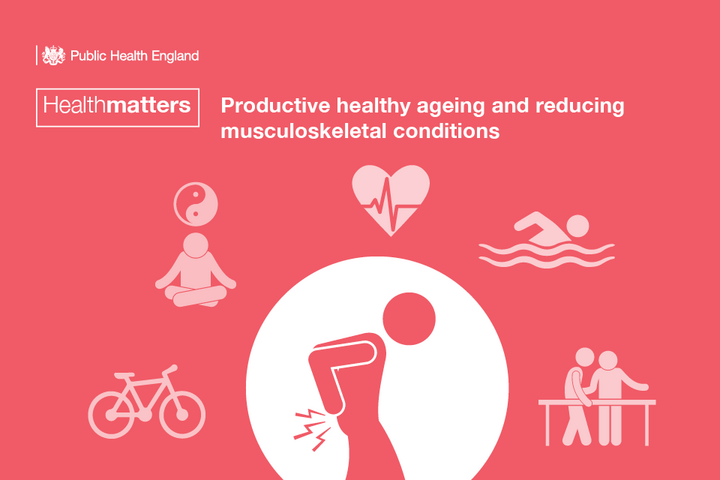
Healthy aging is a goal many people prioritize as they grow older. While many factors contribute to this goal, muscle health plays a central role. Strong muscles support mobility, balance, and overall function. This article explores the connection between muscle health and healthy aging in depth.
Why Muscle Health Is Central to Aging Well
Muscles support nearly every physical movement people make. From walking to lifting, muscles are constantly engaged. As muscle mass and strength decline, these activities become harder. This decline can gradually limit independence over time. Independence is often closely tied to quality of life. Maintaining muscle health therefore supports broader life satisfaction. This connection makes muscle health a foundational aging priority. It influences not just physical capability but emotional wellbeing as well.
How Muscle Health Influences Daily Independence
Daily independence relies heavily on functional muscle strength. Tasks like dressing, bathing, and cooking require physical capability. When muscle strength declines, these tasks become more challenging. This can lead to increased reliance on assistance. For many older adults, maintaining independence is highly valued. Preserving muscle health directly supports this valued independence. This connection illustrates why muscle health deserves ongoing attention. It is not merely about appearance or athletic performance.
The Link Between Muscle Health and Balance
Balance is closely connected to muscle strength and function. Strong leg muscles support stable standing and walking. Core muscles contribute to overall postural stability as well. As muscle strength declines, balance can be affected. Reduced balance increases the risk of falls significantly. Falls are a major concern for older adult populations. They can lead to injuries that further impact mobility. This relationship highlights another important connection. Supporting muscle health may indirectly support fall prevention efforts.
Metabolic Health and Muscle Tissue
Muscle tissue plays a role beyond movement alone. It contributes to overall metabolic processes within the body. Muscle tissue helps regulate blood sugar levels effectively. Reduced muscle mass may influence metabolic health over time. This connection has gained increasing research attention recently. While complex, it highlights muscle health's broader relevance. Healthy aging involves more than just physical movement. Metabolic considerations add another dimension to this connection. This reinforces why muscle health remains a comprehensive priority.
Energy Levels and Daily Activity
Muscle health can also influence overall energy levels. Weaker muscles may require more effort for daily tasks. This increased effort can contribute to feelings of fatigue. Fatigue may then reduce motivation for activity further. This creates a cycle that can be difficult to break. Supporting muscle health may help interrupt this cycle. Improved strength can make daily tasks feel less demanding. This, in turn, may support more sustained activity levels. Energy and muscle health are therefore closely intertwined.
Social Engagement and Physical Capability
Social engagement often depends on physical capability to some extent. Activities like walking with friends require mobility. Attending social gatherings may involve standing or moving around. When physical capability declines, social participation can decrease. Reduced social engagement is associated with lower overall wellbeing. This connection adds another layer to the muscle health discussion. Supporting physical capability may indirectly support social connection. This illustrates how muscle health touches multiple life domains simultaneously.
Strategies That Support This Connection
Several strategies can help support muscle health as part of aging well. Regular physical activity remains foundational to this effort. Even moderate activity provides meaningful benefits over time. Resistance-based exercises specifically target muscle maintenance. Nutrition, particularly adequate protein intake, supports these efforts. Balance-focused exercises address related fall-risk concerns directly. Social activities that involve movement offer dual benefits. These strategies work together rather than in isolation. A combined approach tends to produce more meaningful outcomes.
The Role of Consistency Over Time
Consistency plays a critical role in supporting muscle health long-term. Occasional efforts provide limited lasting benefit. Regular, sustained habits produce more meaningful results over time. This applies to exercise, nutrition, and social engagement alike. Building routines that feel manageable supports this consistency. Flexibility within routines helps accommodate life's natural variability. The goal is sustainable, ongoing engagement rather than perfection. This perspective aligns with broader healthy aging principles generally.
Emerging Tools Supporting Muscle Health in Aging
Various tools have emerged to support muscle health specifically. Some focus on guided exercise programs designed for older adults. Others provide nutritional tracking and personalized recommendations. Mechanical stimulation devices represent another supportive category. These devices engage muscles through vibration-based mechanisms. For individuals with mobility limitations, this offers additional options. Such tools complement, rather than replace, foundational habits. They add accessible support within broader strategies. This expanding toolkit reflects growing attention to this connection.
Addressing Barriers to Muscle Health Maintenance
Several barriers can limit muscle health maintenance efforts. Joint discomfort may discourage certain types of exercise. Limited mobility can make some activities feel inaccessible. Lack of awareness about appropriate strategies is another barrier. Addressing these barriers requires accessible, adaptable approaches. Low-impact exercise options reduce joint-related concerns. Educational resources help build awareness of available strategies. Technology can support accessibility for those with mobility limitations. Recognizing and addressing barriers supports more inclusive approaches overall.
The Role of Healthcare Providers in This Connection
Healthcare providers play an important role in supporting muscle health. Regular check-ins can help identify changes early. Providers can offer guidance tailored to individual circumstances. They can also help address underlying health conditions affecting muscle function. This professional support adds an important layer of oversight. Collaboration between individuals and providers supports more informed decisions. This partnership reflects the comprehensive nature of healthy aging. Muscle health is best supported through informed, ongoing engagement.
A Practical Example of Supportive Technology
A sarcopenia treatment device illustrates one tool within this broader supportive landscape. Such devices use mechanical stimulation to engage muscles passively. They are designed for accessible home use specifically. For some individuals, this offers a practical complement to other strategies. This example reflects the broader theme of accessible support discussed throughout. It demonstrates how technology can fit within comprehensive approaches to muscle health.
Conclusion
Muscle health and healthy aging are deeply interconnected. Strength supports independence, balance, and overall function. It also connects to metabolic health and social engagement. Supporting muscle health involves multiple complementary strategies. Consistency over time remains essential for meaningful results. Emerging tools continue expanding accessible support options. Healthcare providers add valuable guidance throughout this process. Ultimately, prioritizing muscle health supports a more comprehensive approach to aging well.
 Venues