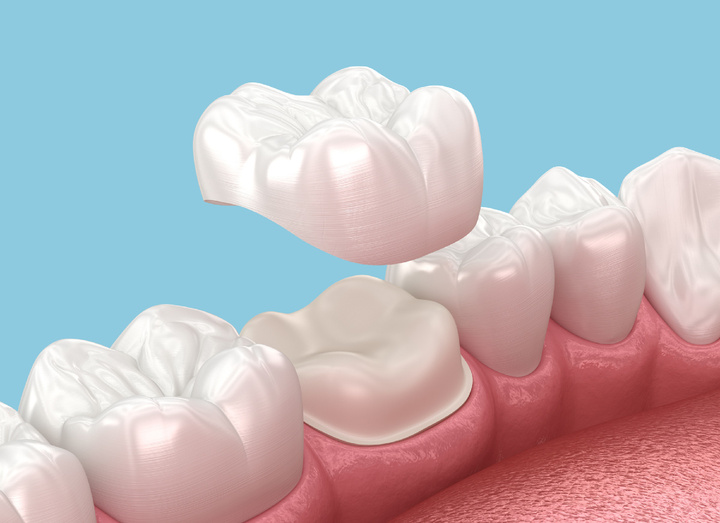
The dental crown procedure is one of the most common restorative treatments in dentistry. Yet it remains one of the most anxiety-provoking appointments for many patients. Much of this anxiety stems from not knowing what the procedure actually involves. Understanding each step of the crown process removes the fear of the unknown. Modern dentistry has made crown placement more comfortable than ever before. This guide walks you through the entire crown procedure from start to finish.
Why Your Dentist Recommends a Crown
Understanding the reason for your crown recommendation matters before the procedure. Dentists recommend crowns based on specific clinical indications they have identified. Common reasons include severely decayed teeth beyond filling repair capacity. Cracked or fractured teeth that require structural reinforcement also need crowns. Teeth that have undergone root canal treatment are routinely crowned for protection. A tooth with a failing or oversized filling may also require full crown coverage.
Your dentist will explain their clinical rationale before proceeding with any crown preparation. Understanding the reason helps you accept the recommendation with confidence. Ask your dentist to clarify exactly which tooth is being crowned and why. Confirm which crown material they are recommending and what their reasoning is. Ask about alternative treatment options and their comparative outcomes before deciding. Informed consent means you genuinely understand and agree with the proposed treatment plan.
Questions Worth Asking Before Your Crown Appointment
Preparing questions before your crown appointment reduces anxiety on the day. Ask how long the appointment will take for your specific crown preparation. Inquire about the type of anesthesia to be used and its expected duration. Ask whether a temporary crown will be placed and what care it requires. Confirm the timeline for receiving the permanent crown from the dental laboratory. Ask about expected sensitivity or discomfort following the procedure and how to manage it. Prepared patients experience crown appointments with significantly less anxiety and confusion.
The Day of Your Crown Appointment: What to Expect Arriving
Arriving at your crown appointment well-rested and having eaten beforehand is advisable. Eating before your appointment is fine and actually recommended by most dentists. Dental procedures can occasionally cause nausea in patients who arrive on an empty stomach. However, avoid very heavy meals immediately before the appointment begins. Wear comfortable clothing and plan for a longer appointment than a typical checkup. Crown preparation appointments generally take between one and two hours to complete.
Upon arrival, the dental team will review your health history and current medications. Inform them of any changes in your health or medications since your last visit. Tell them immediately if you are taking blood thinners or anticoagulant medications. Let them know if you have any new allergies, especially to anesthetic medications. This updated health review ensures your crown appointment is both safe and appropriate. The team may also take updated X-rays before beginning to confirm treatment planning.
Step One: Local Anesthesia Administration
The crown procedure begins with the administration of local anesthesia. This is the step most patients feel apprehensive about, yet it is brief. A topical anesthetic gel is applied to the injection site before the needle is used. This gel numbs the surface tissue and significantly reduces injection discomfort. The anesthetic injection itself takes only a few seconds to administer. Most patients describe the sensation as mild pressure rather than actual pain.
The anesthesia takes several minutes to become fully effective after injection. Your dentist will test the area before beginning any preparation work. They may use a cold instrument or light pressure to confirm complete numbness. If any sensation remains, additional anesthetic is administered before proceeding. The goal is complete comfort throughout every step of the procedure. Communicate immediately with your dentist if you feel any discomfort during the process.
Communicating During Your Crown Procedure
Establishing a communication system with your dentist before starting is valuable. Agree on a hand signal that means you need a break or feel discomfort. Many patients feel anxious about not being able to speak during procedures. A prearranged signal provides control without requiring verbal communication. Your dental team wants you to be comfortable and welcomes interruption for any reason. Never endure discomfort silently during a dental procedure when communication is possible.
Step Two: Tooth Preparation
Once fully anesthetized, tooth preparation begins for crown placement. The dentist uses a dental drill to reshape the tooth for crown accommodation. The tooth is reduced in size to create space for the crown material. The amount of reduction depends on the specific crown material being placed. Metal crowns require less tooth reduction than all-ceramic materials. The preparation removes decay, old filling material, and weakened tooth structure simultaneously.
The prepared tooth takes on a specific tapered shape with a defined margin. The margin is the critical boundary where the crown will meet the tooth at the gum line. Precise margin preparation ensures the crown fits accurately and seals properly. A poorly prepared margin leads to leakage, secondary decay, and crown failure. The time and skill invested in preparation directly influences the crown's long-term success. This step is the most technically demanding part of the entire crown procedure.
Managing Sensitivity During Preparation
Some patients experience sensitivity during preparation despite adequate anesthesia. Sensitivity during drilling can occur even with effective numbness in some cases. The sensation is typically brief vibration or pressure rather than true pain. Communicate any significant discomfort immediately to your dentist during this phase. Additional local anesthetic can be administered if true sensitivity is experienced. Your comfort throughout the procedure is the dental team's consistent priority.
Step Three: Impressions and Records
After tooth preparation, the dentist takes impressions of the prepared tooth. These impressions capture the precise shape of the preparation for laboratory crown fabrication. Traditional impressions use putty-like materials placed in a tray over the teeth. Modern practices increasingly use intraoral digital scanners for impression-taking. Digital scanning is faster, more comfortable, and produces highly accurate virtual impressions. The resulting digital file is sent directly to the dental laboratory electronically.
The dentist also records your bite relationship between upper and lower teeth. This bite record ensures the laboratory designs the crown with proper opposing tooth contact. Shade selection is performed to match the crown material to surrounding natural teeth. The shade appointment involves comparing your teeth to a shade guide under natural lighting. Proper shade matching ensures the completed crown blends seamlessly with adjacent teeth. All of this information is transmitted to the laboratory for crown fabrication.
Step Four: Temporary Crown Placement
A temporary crown is placed immediately after impressions are completed. It protects the prepared tooth while the permanent crown is being fabricated. Temporary crowns are made from acrylic material at the dental office. They are sized and shaped to fit the preparation and restore basic function. Temporary crowns are cemented with weaker temporary cement for easy removal later. They are functional but not as durable as the permanent crown will be.
Specific care instructions for temporary crowns are important to follow carefully. Avoid sticky or very hard foods on the temporary crown's side consistently. Floss carefully around the temporary by sliding the floss out sideways. Pulling floss upward can dislodge the temporary cement from the preparation. If the temporary crown comes off between appointments, contact your office promptly. Leaving a prepared tooth unprotected causes sensitivity and potential tooth movement problems.
Step Five: Permanent Crown Delivery Appointment
The permanent crown is typically ready one to two weeks after preparation. The second appointment is shorter than the preparation appointment typically. The temporary crown is removed using dental instruments and gentle pressure. The permanent crown is tried in place to verify fit, bite, and appearance. Your dentist checks the margin seal, the contact with adjacent teeth, and the bite. Any necessary adjustments are made before permanent cementation is completed.
The permanent crown is cemented using a durable dental luting cement. Excess cement is carefully removed from around the margins and between teeth. A final bite check confirms the crown is not creating any interference. You will be asked to bite down on indicator paper to verify even contact. Minor adjustments to high spots are made with a polishing bur if needed. The appointment concludes when both patient and dentist are satisfied with the result.
Recovery and What to Expect After Crown Placement
Some sensitivity following crown placement is completely normal and expected. The tooth and surrounding gum tissue have experienced significant treatment and will require recovery time. Cold sensitivity that fades within seconds is typically normal post-crown sensitivity. Sensitivity that lingers for more than 30 seconds warrants a call to your dental office. Gum soreness around the crown margin improves within a few days consistently. Over-the-counter pain medications effectively manage most post-crown discomfort.
The team at dental crown services provides thorough post-procedure instructions for every patient. Following these instructions ensures the smoothest and most comfortable recovery. Soft foods for the first 24 hours give the cement time to fully set. Avoiding very hot, cold, or hard foods during this period protects the new crown. Your dentist will schedule a follow-up to confirm the crown's comfort and function. Reporting any concerns promptly allows early resolution of any post-procedure issues.
Conclusion
The dental crown procedure is well-defined, comfortable, and highly predictable in modern dentistry. Anesthesia ensures the tooth preparation phase is completely pain-free for patients. Impressions capture the precise shape needed for accurate laboratory crown fabrication. The temporary crown protects the prepared tooth during the fabrication period. Permanent crown delivery involves fit verification, cementation, and bite adjustment. Understanding each step transforms the crown appointment from an anxiety-provoking unknown into a confident and manageable experience.
 Venues