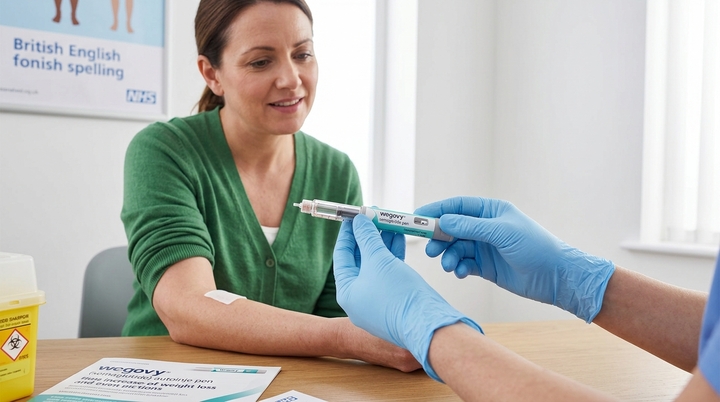
When considering prescription treatment for weight management, one of the biggest questions is whether it can produce meaningful results in real life. Searches for wegovy weight loss injections uk often come from people who want to understand how much weight they might lose, how quickly changes can happen and whether results can be maintained. Wegovy contains semaglutide, a GLP-1 medicine that works alongside dietary improvements and physical activity to support weight management.
What Does “Effective” Actually Mean?
Effectiveness is not simply about reaching a particular number on the scales. For one person, successful treatment may mean losing enough weight to improve mobility, while another may be focused on reducing the impact of a weight-related health problem or developing better control over eating habits.
Clinical studies provide useful evidence about how semaglutide performs across groups of people, but trial results should not be treated as personal predictions. Participants have different starting weights, health circumstances, lifestyles and responses to treatment, so an average outcome cannot guarantee what an individual will experience.
It is also important to distinguish between weight loss during treatment and successful long-term weight management. Maintaining healthier behaviours while receiving appropriate clinical support can be an important part of achieving lasting progress.
What Does the Evidence Tell Us?
Semaglutide has been studied extensively as a treatment for overweight and obesity. In the STEP 1 trial considered by NICE, adults receiving semaglutide alongside lifestyle intervention experienced substantially greater weight reduction than those receiving placebo and lifestyle support alone.
NICE reported a difference of 12.4 percentage points in mean percentage change in body weight at 68 weeks between semaglutide and placebo in the full trial population. This provides evidence that the medicine can have a clinically meaningful effect when used as part of a structured approach to weight management.
However, those figures represent results from a clinical study rather than a promise for every patient. Treatment response can vary, and the circumstances in which someone receives the medicine can influence the outcome.
Why Results Can Differ Between People
Two people can follow the same treatment plan and still experience different levels of weight loss. Starting weight, eating habits, physical activity, adherence to treatment and individual biology can all influence progress.
Other health conditions may also affect weight management. Some medicines and medical conditions can influence appetite, metabolism or the ability to remain physically active, which is why an individual assessment is important before treatment begins.
Progress should therefore be viewed over an appropriate period rather than judged by a few days or individual weigh-ins. Short-term changes can be affected by hydration, digestion and other factors that do not necessarily reflect changes in body fat.
The Role of Appetite Control
One reason semaglutide can support weight loss is its effect on appetite. The medicine acts on GLP-1 receptors and can help reduce hunger while increasing feelings of fullness.
For someone who regularly struggles with persistent hunger or difficulty controlling portions, these changes may make a reduced-calorie eating pattern more manageable. Instead of relying entirely on willpower, the treatment can influence some of the biological signals associated with food intake.
The NHS describes semaglutide as a GLP-1 agonist that can help people lose weight by reducing appetite and making them feel fuller for longer.
Weight Loss Does Not Usually Happen at the Same Speed
It is easy to assume that weight loss should follow a straight downward line, but real progress is rarely that predictable. Someone may experience noticeable changes during one period and much smaller changes during another.
The initial stages of treatment can also be different from later stages because the medicine is introduced gradually. The body needs time to adjust, and the dose is generally increased according to a prescribed schedule rather than immediately starting at the highest level.
This means comparing your progress with another person's results can be misleading. A slower rate does not automatically mean treatment has failed, just as rapid early progress does not necessarily predict the eventual outcome.
Lifestyle Changes Can Influence the Overall Outcome
Wegovy is intended to complement lifestyle measures rather than replace them. Food choices, portion sizes, physical activity and other everyday habits remain relevant because weight management involves more than appetite alone.
A balanced eating pattern can help ensure that reduced food intake still provides useful amounts of protein, fibre, vitamins and minerals. Regular movement can also support fitness, strength and general health while contributing to a sustainable weight-management routine.
This combination matters because the goal should not simply be to lose weight while taking medication. Developing practical habits that can continue over time can make the overall approach more sustainable.
What Happens When Progress Slows?
A period of slower weight loss can be frustrating, particularly after seeing encouraging changes at the beginning. However, plateaus and fluctuations can occur during weight management and do not automatically indicate that a medicine is no longer having an effect.
As body weight decreases, energy requirements can change. Eating patterns, activity levels and adherence may also shift without the person realising it, making progress less predictable over time.
Rather than changing the dose independently or adopting an extreme diet, it is better to discuss concerns with the healthcare professional overseeing treatment. They can review progress and determine whether the current approach remains appropriate.
Can Treatment Be Considered Successful Without Dramatic Weight Loss?
Yes. The value of treatment should not necessarily be judged by whether someone reaches an idealised target weight. Even a more modest reduction can potentially have meaningful health implications depending on a person's starting point and existing conditions.
NICE recommends considering stopping semaglutide in its NHS weight-management guidance if less than 5% of initial weight has been lost after six months of treatment. This illustrates why treatment response is monitored rather than assuming that everyone should remain on medication regardless of results.
A clinician may also consider factors beyond the scales when reviewing progress. Improvements in eating control, mobility, physical activity and weight-related health risks can all form part of a wider assessment.
How Long-Term Thinking Changes the Picture
Weight loss is only one stage of weight management. Once progress has been achieved, maintaining healthier routines becomes increasingly important.
People using semaglutide should continue working on practical eating and activity habits rather than assuming the medicine alone will protect against future weight regain. This can include maintaining appropriate portions, choosing nutritious foods and keeping physically active.
Long-term planning should also take into account what happens if treatment is changed or stopped. A healthcare professional can provide advice based on individual circumstances rather than relying on general online expectations.
Choosing Treatment Based on Evidence Rather Than Promises
The popularity of weight-loss injections has led to many claims about how quickly people can lose weight. Before accepting these promises, it is worth checking whether the information comes from reliable clinical evidence and whether it reflects the circumstances in which the medicine is actually prescribed.
A legitimate treatment provider should assess suitability before prescribing semaglutide and explain both its potential benefits and limitations. This is especially important when someone has other medical conditions or takes additional medicines.
People researching wegovy weight loss injections uk should therefore be cautious about websites promising guaranteed results or unusually rapid weight loss. A medically supervised approach is more appropriate than choosing treatment based solely on testimonials or promotional claims.
A Realistic View of Wegovy Results
The available evidence shows that semaglutide can produce meaningful weight loss for suitable patients when combined with lifestyle support. However, clinical averages should be used to understand what the medicine can achieve across a population, not to predict exactly what one person will experience.
The most useful approach is to establish realistic goals with a qualified healthcare professional and review progress over time. If treatment is appropriate, appetite control combined with healthier eating and regular activity may provide a stronger foundation for weight management than relying on medication alone.
For readers wanting to understand the clinical evidence and UK recommendations in greater detail, the NICE guidance on semaglutide for managing overweight and obesity provides information on how the treatment is recommended and how response to treatment is considered.
Ultimately, wegovy weight loss injections uk should be viewed as one component of a structured weight-management strategy. Individual response matters, expectations should remain realistic, and ongoing professional guidance can help ensure that treatment decisions are based on health needs rather than promises of instant results.
 Venues